
Mining and heavy industry environments present significant fire risks. Operations rely on high power electrical equipment. Machinery runs continuously in demanding conditions. Flammable materials are present across many work areas.
These conditions require a dedicated mining fire safety system. Standard commercial solutions are not sufficient. Sites cover large areas and remote locations. Fast response and system reliability are critical.
Risk Based Fire Safety System Design
Fire safety services start with detailed risk assessment. Each operational area is evaluated carefully. Ignition sources and hazardous materials are identified early. System design includes fire detection, fire alarm, and fire suppression. All subsystems work within one integrated architecture. This approach improves response speed and system reliability.
Fire Detection and Fire Alarm Products
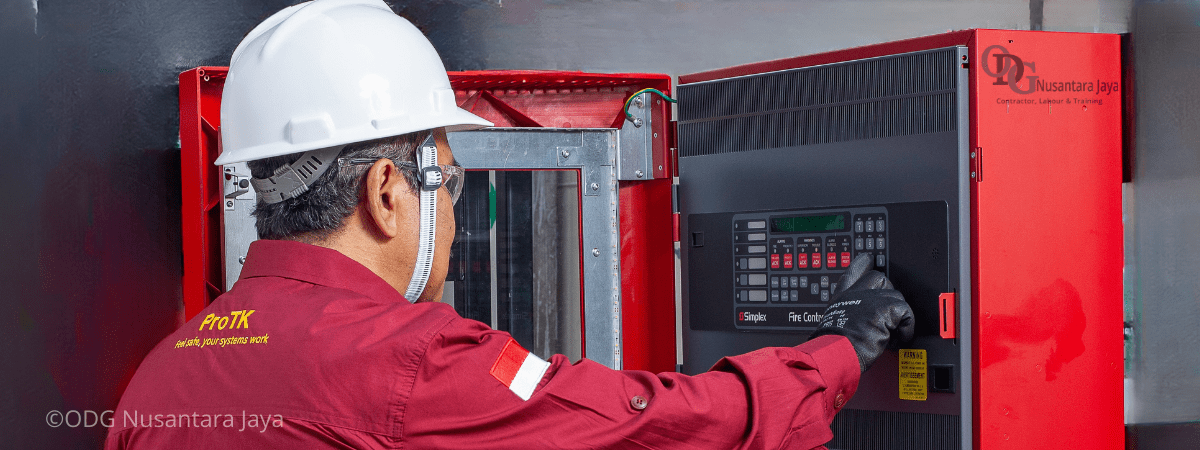
Fire detection systems use heat detectors, flame detectors, and industrial smoke detectors. These products operate reliably in dusty environments. High temperature resistance ensures consistent performance.
Fire alarm systems integrate with SCADA or DCS platforms. Centralized monitoring supports real time incident detection. Operators receive accurate location data during emergencies.
Fire Suppression Solutions for Critical Areas
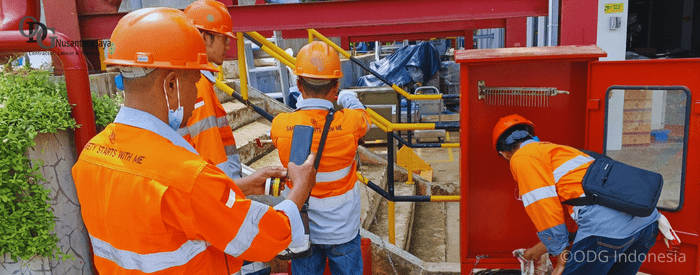
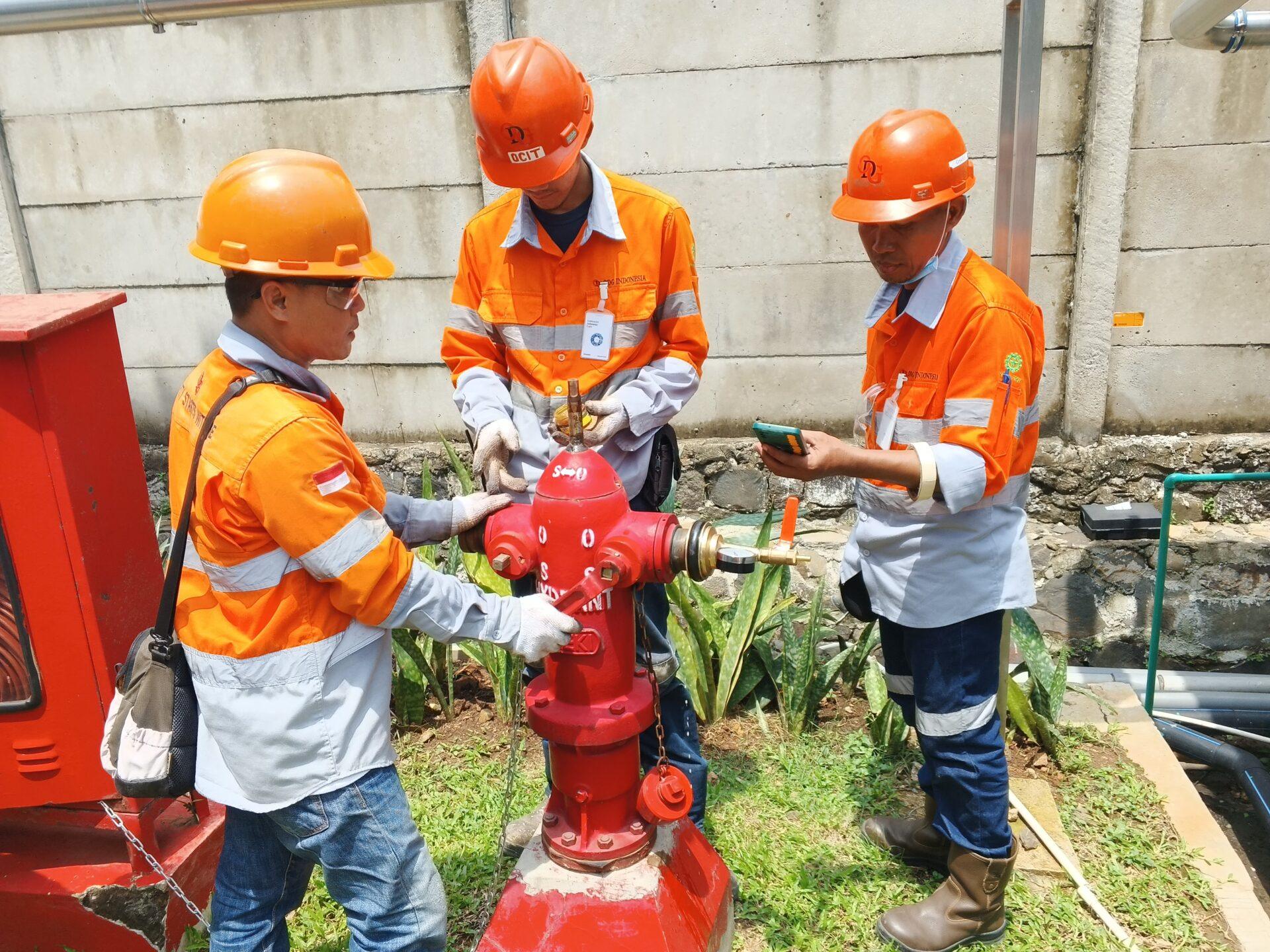
Open areas rely on hydrant and deluge systems. These solutions protect conveyors, workshops, and fuel handling zones. System layout ensures wide area coverage. Electrical rooms require specialized suppression methods. Clean agents such as FM-200 and Novec 1230 are commonly applied. These agents protect sensitive equipment without residue.
Standards Compliance and Electrical Contractor Services
Fire safety systems in mining and heavy industry must follow internationally recognized standards. These standards guide system design, installation, and performance validation.
NFPA (National Fire Protection Association) provides the primary reference for fire protection systems. NFPA standards cover fire detection, fire alarm, and fire suppression design. The objective is fast and reliable fire response in high risk environments.
IEC (International Electrotechnical Commission) focuses on electrical safety and system reliability. IEC standards regulate equipment selection, cable installation, and electrical protection. These requirements reduce fire risks caused by electrical faults.
IEEE (Institute of Electrical and Electronics Engineers) complements IEC with detailed electrical engineering standards. IEEE is widely used for power distribution, grounding systems, and protection coordination. These standards improve electrical system stability in industrial facilities.
Electrical contractors translate these standards into practical field implementation. Services include safe electrical system design, fire detection and fire alarm integration, and SCADA or DCS connectivity. Contractors also perform commissioning, functional testing, and routine maintenance. This approach ensures long term fire safety performance in harsh industrial environments.
Contact ODG Nusantara Jaya today for a Fire Protection System consultation specifically designed to suit your operational needs.
Whatsapp : +62 811-8111-3032
Email : sales@protk.co.id