
Mining, construction, and plantation industries continue to strengthen operational safety standards. One of the most searched topics recently is fire protection for heavy equipment. Many companies now invest in automatic fire suppression systems because fire incidents can cause significant operational losses.
Engine compartments in excavators, haul trucks, wheel loaders, and dozers operate under extreme temperatures. These machines run for long hours while carrying heavy workloads. Such conditions increase the risk of fire caused by fuel leaks, hydraulic oil leaks, electrical faults, or combustible debris.
For this reason, Heavy Equipment Fire Protection has become an essential part of modern safety strategies.
Why Heavy Equipment Faces High Fire Risks
Heavy equipment contains several heat sources operating simultaneously.
The exhaust manifold, turbocharger, engine block, and hydraulic components generate high temperatures.
A diesel or hydraulic oil leak can ignite immediately after contacting a hot surface.
Damaged electrical wiring also increases fire risks.
Continuous vibration accelerates cable wear and insulation failure.
Dust, grease, and combustible materials inside the engine compartment further increase the possibility of fire.
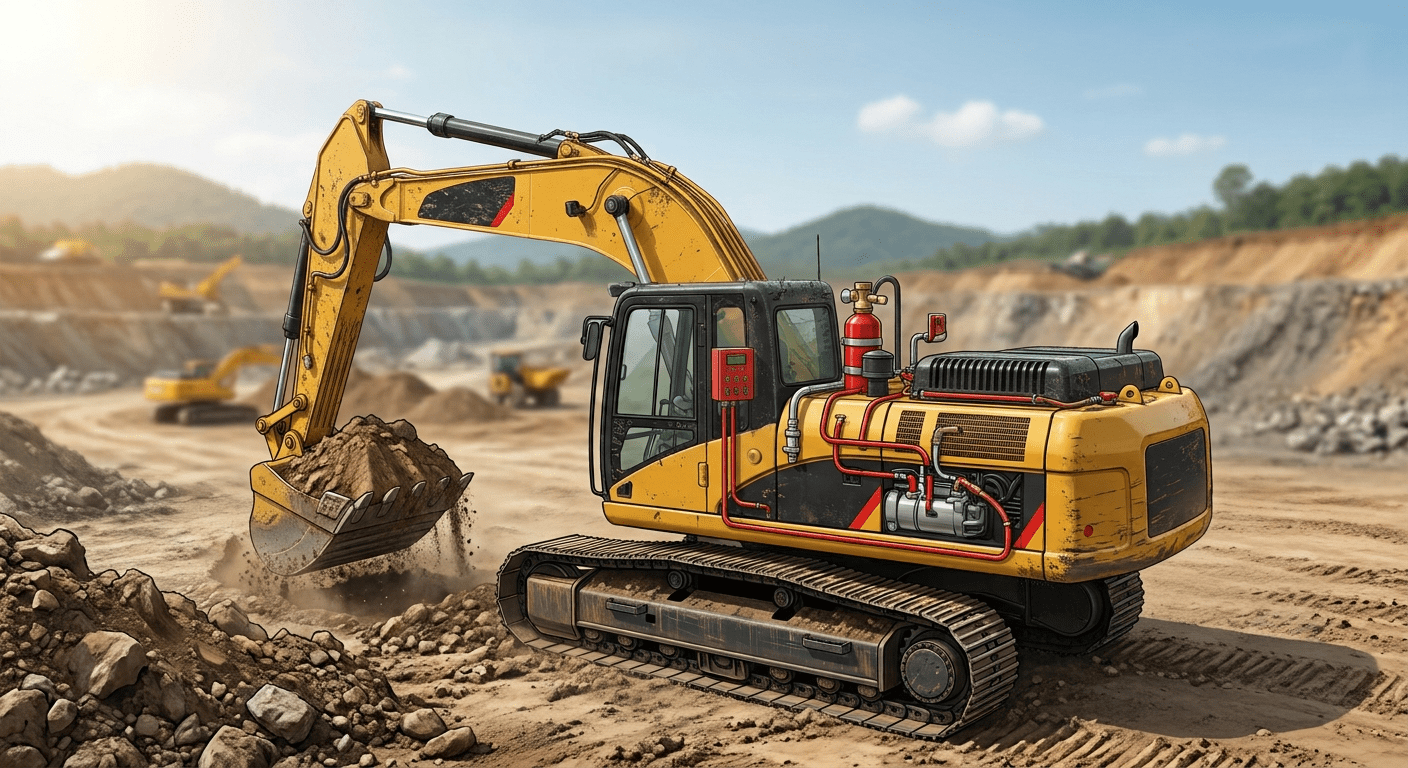
How an Automatic Fire Suppression System Works
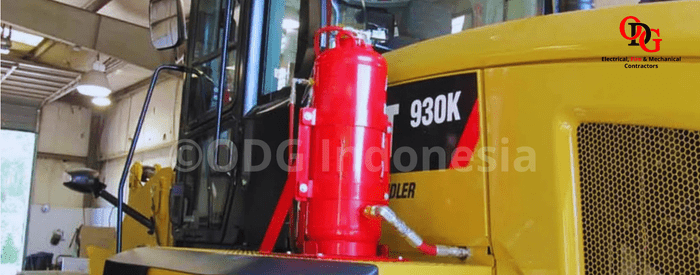
An automatic fire suppression system detects fire during its earliest stage.
The system typically uses thermal detection tubing or linear heat detection cable.
Once the activation temperature is reached, the suppression agent is discharged automatically.
The agent quickly cools the affected area and suppresses the flames.
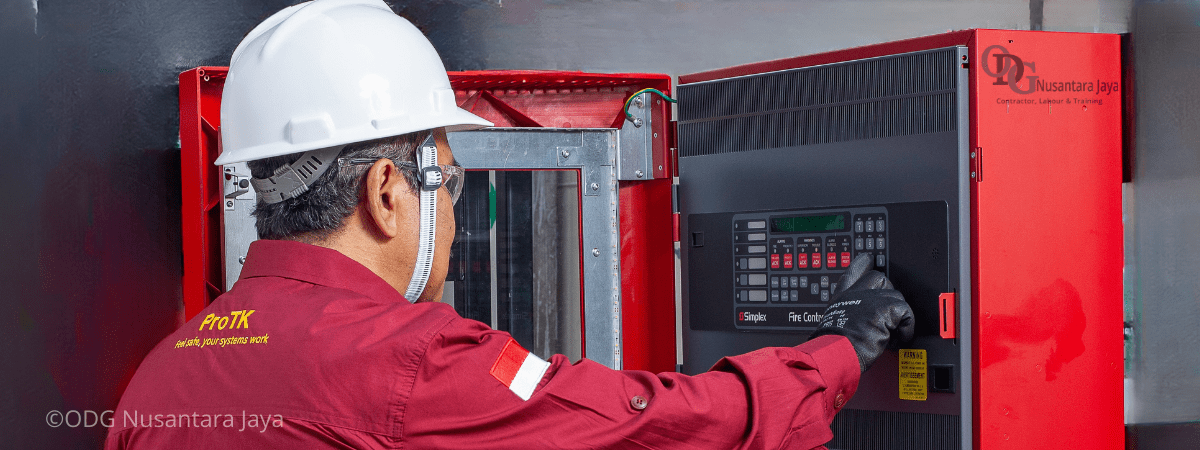
Many systems also activate alarms and can automatically shut down the engine based on system configuration.
Fast response minimizes equipment damage and reduces operational downtime.
Critical Areas That Require Protection
Not every component carries the same level of fire risk.
Engine compartments contain several high-risk zones that require dedicated protection.
These include the engine compartment, turbocharger, exhaust system, hydraulic pump, battery compartment, fuel lines, and electrical panels.
Proper nozzle placement should follow a detailed fire risk assessment to ensure complete coverage.
Benefits of Installing Automatic Fire Suppression Systems
Installing an automatic fire suppression system offers substantial operational advantages.
The system reduces equipment damage caused by fire.
Downtime decreases because incidents remain under control.
Repair and replacement costs become significantly lower.
Companies also protect valuable assets worth millions of dollars.
Most importantly, operators receive better protection during emergency situations.
Many mining companies now include automatic fire suppression systems as part of their asset protection and risk management programs.
Choosing the Right Solution
Each machine requires a different protection design.
Excavators and haul trucks have unique engine layouts and hazard profiles.
Engine compartment volume, heat sources, and equipment configuration determine the required number of nozzles and suppression agent capacity.
Experienced engineers should perform the system design.
Professional installation ensures reliable performance under demanding operating conditions.
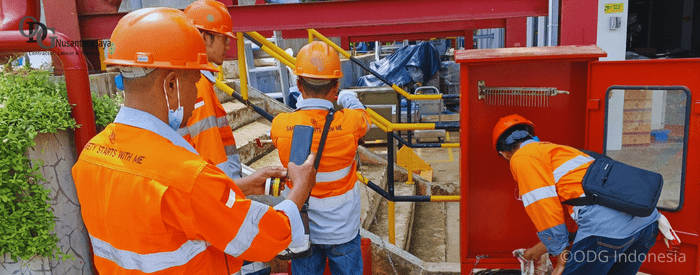
Routine inspections, functional testing, and scheduled maintenance keep the system ready whenever needed.
Effective fire protection extends beyond operator awareness. Reliable suppression systems play a vital role in preventing catastrophic equipment loss.
Automatic fire suppression systems help protect valuable assets, improve worker safety, and reduce operational disruption.
Today, Heavy Equipment Fire Protection is a critical investment for mining, construction, and plantation companies seeking higher productivity while maintaining strong safety performance.
Working with an experienced fire protection provider ensures every system is designed to match the operational requirements of excavators, haul trucks, and other heavy equipment.
Whatsapp : +62 811 1302 0888
Email : marketing@ptodg.com