1. Install Smoke Alarms
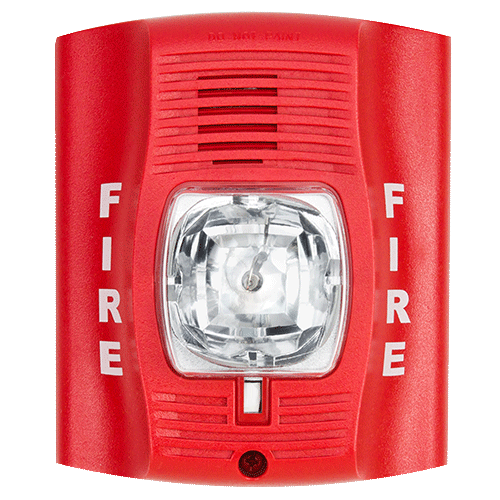
Smoke alarms are your first line of defense against fire. Place them in key areas such as:\
- Bedrooms
- Hallways
- Kitchens
Make sure to test your smoke alarms monthly and replace the batteries at least once a year. A functional smoke alarm can save lives by providing an early warning.
2. Keep Fire Extinguishers Handy
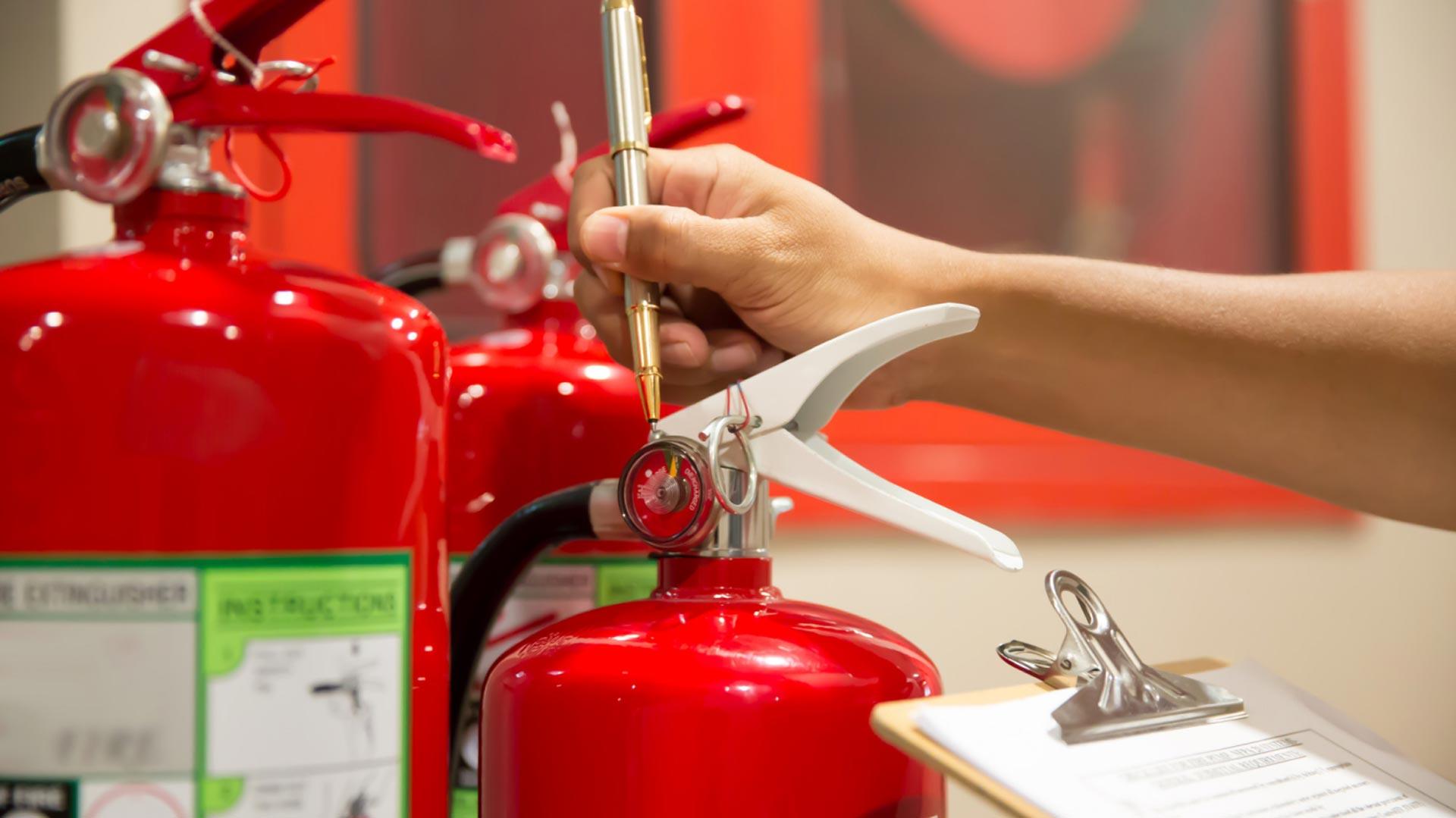
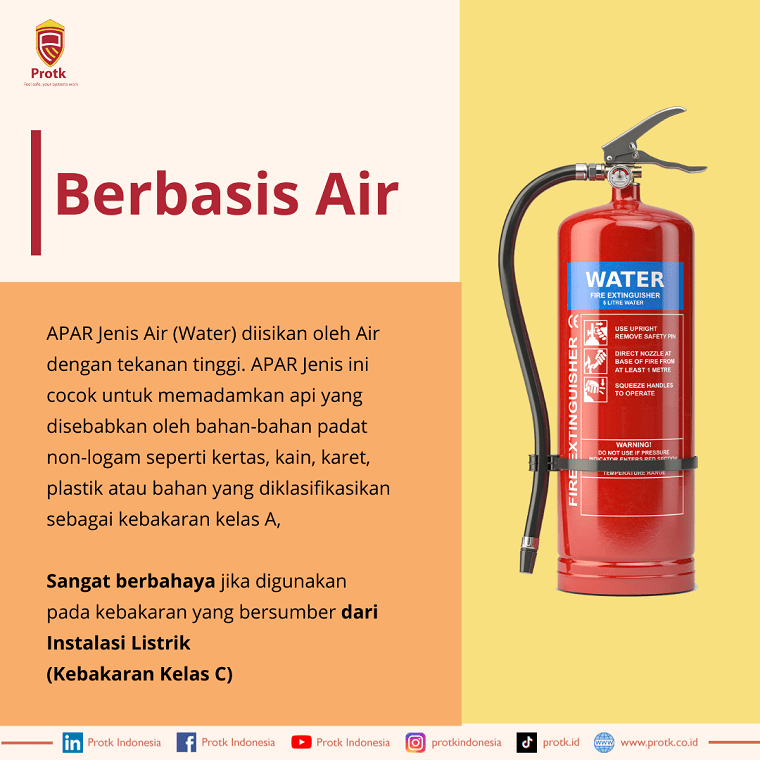
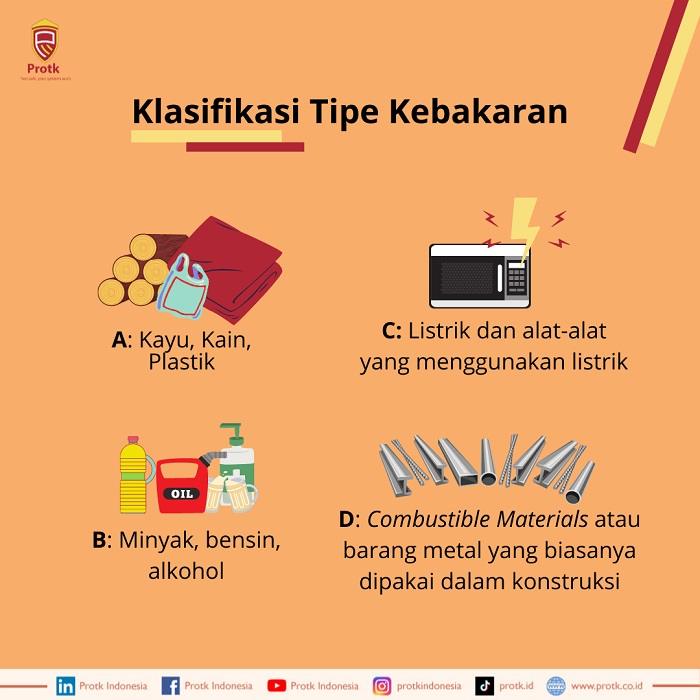
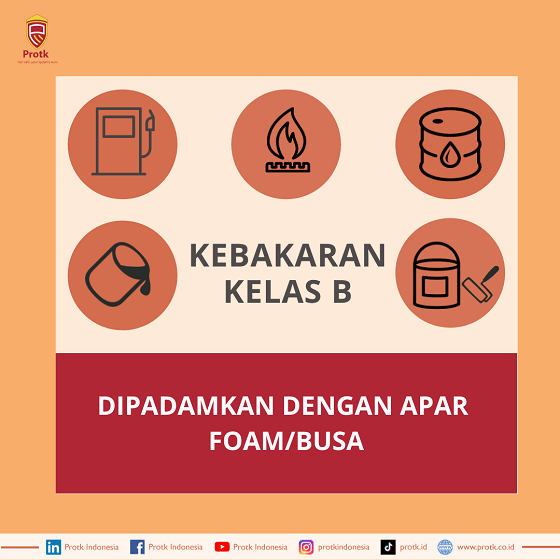
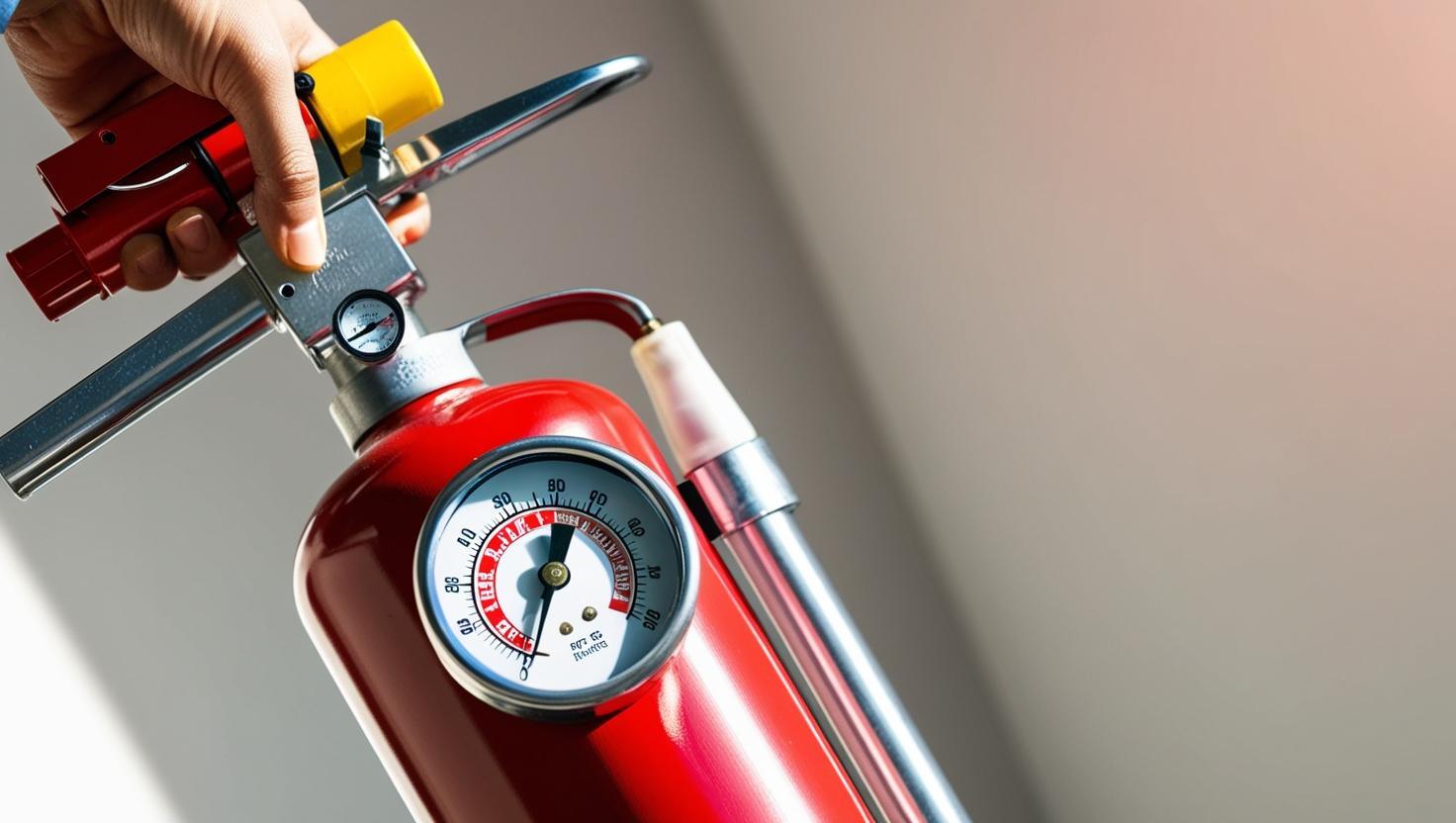
Every home should have at least one fire extinguisher, preferably an ABC fire extinguisher, which can handle most fire types. Place extinguishers in easily accessible locations, such as:
- The kitchen (away from the stove)
- Garage
- Near exits
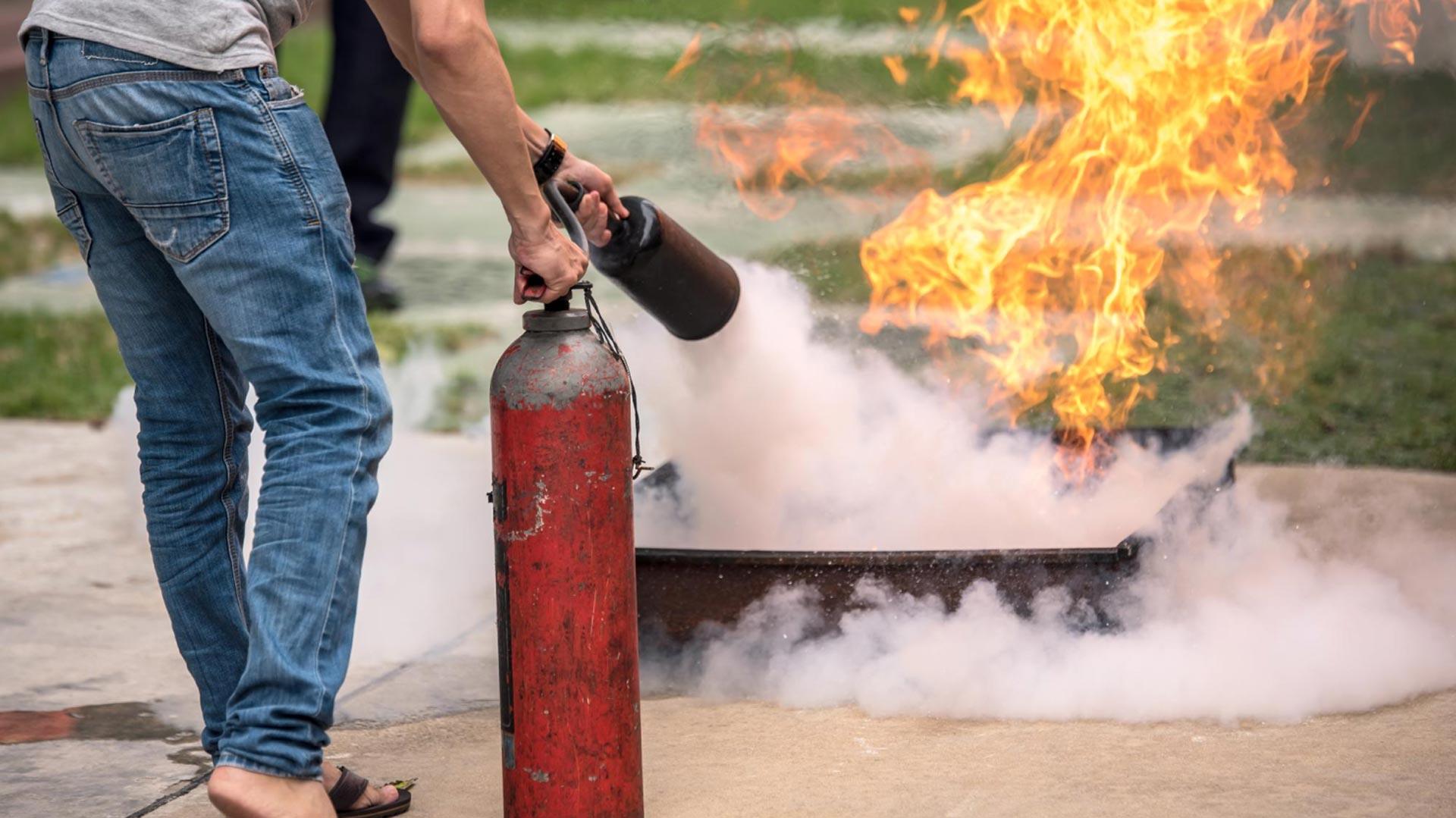
Ensure everyone in your household knows how to use one effectively.
3. Create an Escape Plan
In a fire emergency, seconds matter. Design a clear escape plan for your household that includes:
- Two exits from each room
- A designated meeting spot outside the home
- Regular drills to practice the plan
Teach children and adults alike to act quickly and safely during a fire.
4. Be Cautious with Cooking
In a fire emergency, seconds matter. Design a clear escape plan for your household that includes:
- Two exits from each room
- A designated meeting spot outside the home
- Regular drills to practice the plan
Teach children and adults alike to act quickly and safely during a fire.
5. Use Electrical Appliances Safely
Electrical issues are another common cause of household fires. To minimize risks:
- Inspect cords for damage and replace frayed wires.
- Avoid overloading power outlets or using damaged extension cords.
- Unplug appliances when not in use, especially high-energy devices like heaters.
6. Store Flammable Materials Safely
Keep flammable items such as cleaning products, gasoline, and paints in secure, ventilated areas. Avoid storing these materials near heat sources like furnaces, stoves, or space heaters.
7. Educate Your Family
Knowledge is key to fire prevention. Teach all household members:
- How to stop, drop, and roll if their clothes catch fire.
- The importance of not hiding during a fire.
- When and how to call emergency services.
For younger children, make learning about fire safety fun with games or simple demonstrations.