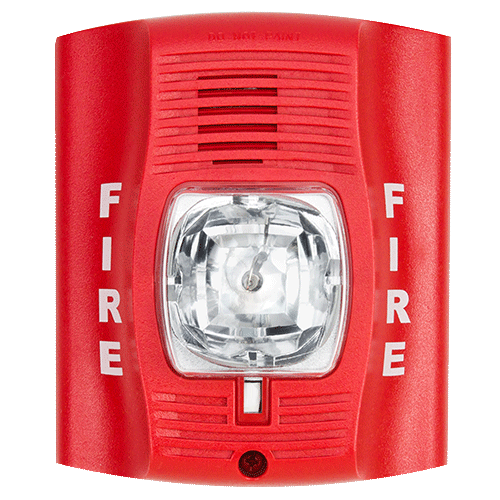


A smoke detector is a critical fire safety device that detects smoke and alerts occupants of potential danger. There are two main types of smoke detectors, each using different technology to sense smoke:
1. Ionization Smoke Detectors
Best for detecting fast-flaming fires (e.g., paper, wood, grease fires).
How it Works:
- Contains a small amount of radioactive material (Americium-241) that ionizes the air inside the detector.
- This creates an electrical current between two metal plates.
- When smoke enters, it disrupts the current, triggering the alarm.
Pros: Responds quickly to small, fast-moving fires.
2. Photoelectric Smoke Detectors
Best for detecting slow, smoldering fires (e.g., burning furniture, electrical fires).
How it Works:
- Uses a light beam and a sensor inside the detector.
- When smoke enters, it scatters the light beam, which then hits the sensor and triggers the alarm.
Pros: Fewer false alarms from cooking; better for detecting slow-burning fires.
3. Dual-Sensor Smoke Detectors
Combines both ionization & photoelectric technology for all-around protection.
Best Choice for comprehensive fire detection in homes and businesses.
Additional Features in Modern Smoke Detectors:
- Smart smoke alarms – Connect to Wi-Fi and send mobile alerts.
- Interconnected detectors – All alarms sound when one detects smoke.
- Battery or hardwired – Battery-powered units are easier to install; hardwired units offer continuous power with battery backup.
Would you like recommendations for the best smoke detectors for your home?