

1. Understand Fire Classes
Fires are categorized into different classes, and extinguishers are designed to handle specific types:
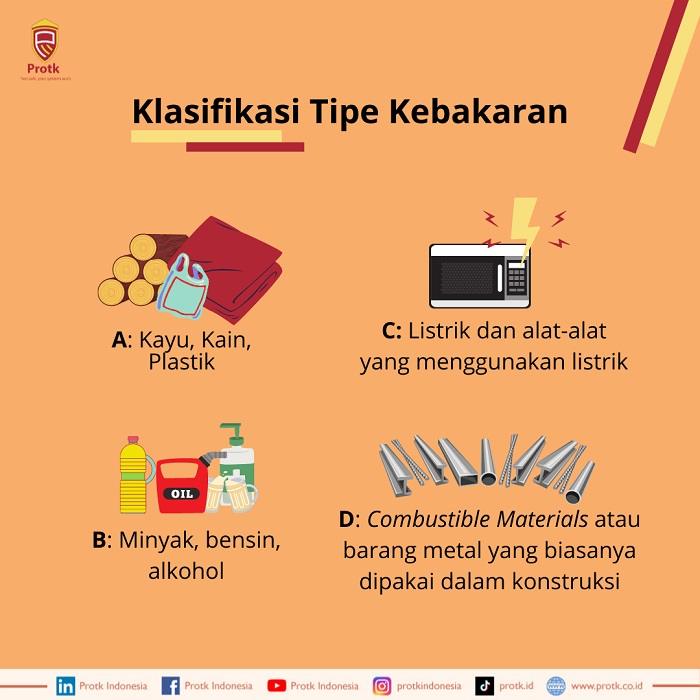
- Class A – Ordinary combustibles (wood, paper, cloth)
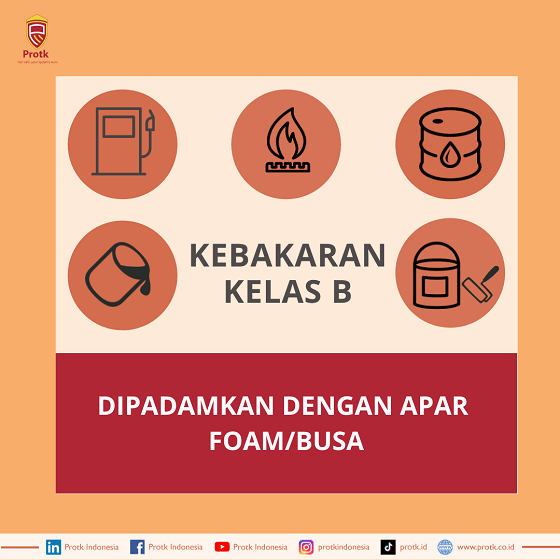
- Class B – Flammable liquids (gasoline, oil, grease)
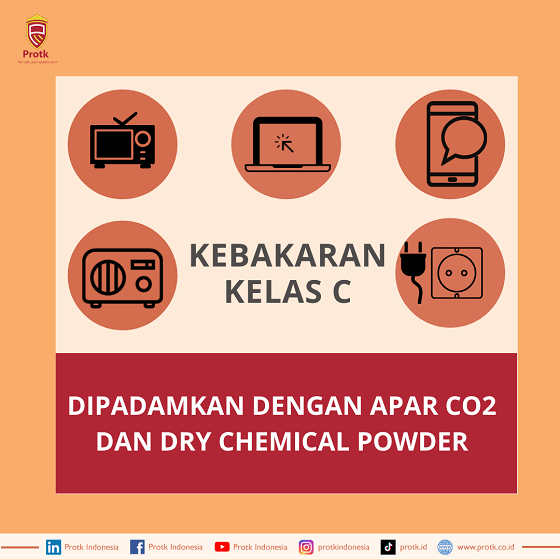
- Class C – Electrical fires
- Class D – Combustible metals (magnesium, aluminum, titanium)
- Class K – Cooking oils and fats (common in commercial kitchens)
2. Determine Your Fire Risks
Identify the materials and hazards present in your workplace. For example:
- Offices: Primarily Class A & C risks
- Warehouses: Class A, B, & C risks
- Commercial Kitchens: Class K risks
3. Choose the Right Type of Extinguisher
Fire extinguishers come in different types based on the agent used:
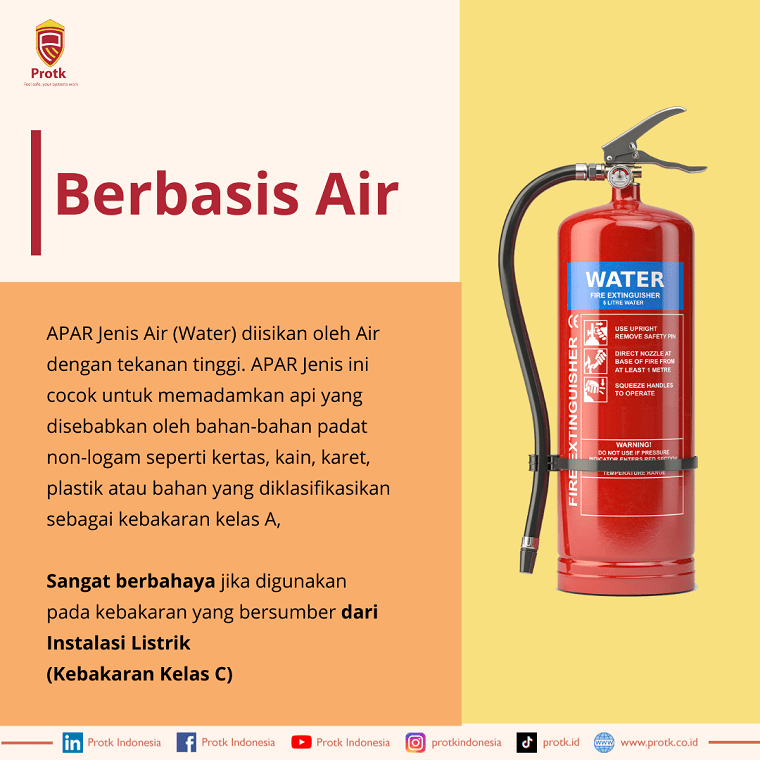
- Water (APW) – For Class A fires
- Carbon Dioxide (CO₂) – For Class B & C fires
- Dry Chemical (ABC, BC, or D types) – Versatile for different fire classes
- Foam – For Class A & B fires
- Wet Chemical – Specifically for Class K fires
4. Check Size & Placement Requirements
- The size of the extinguisher depends on the fire risk level.
- OSHA and NFPA regulations dictate how many extinguishers are required and their placement.
- Ensure easy access and visibility.
5. Maintenance & Training
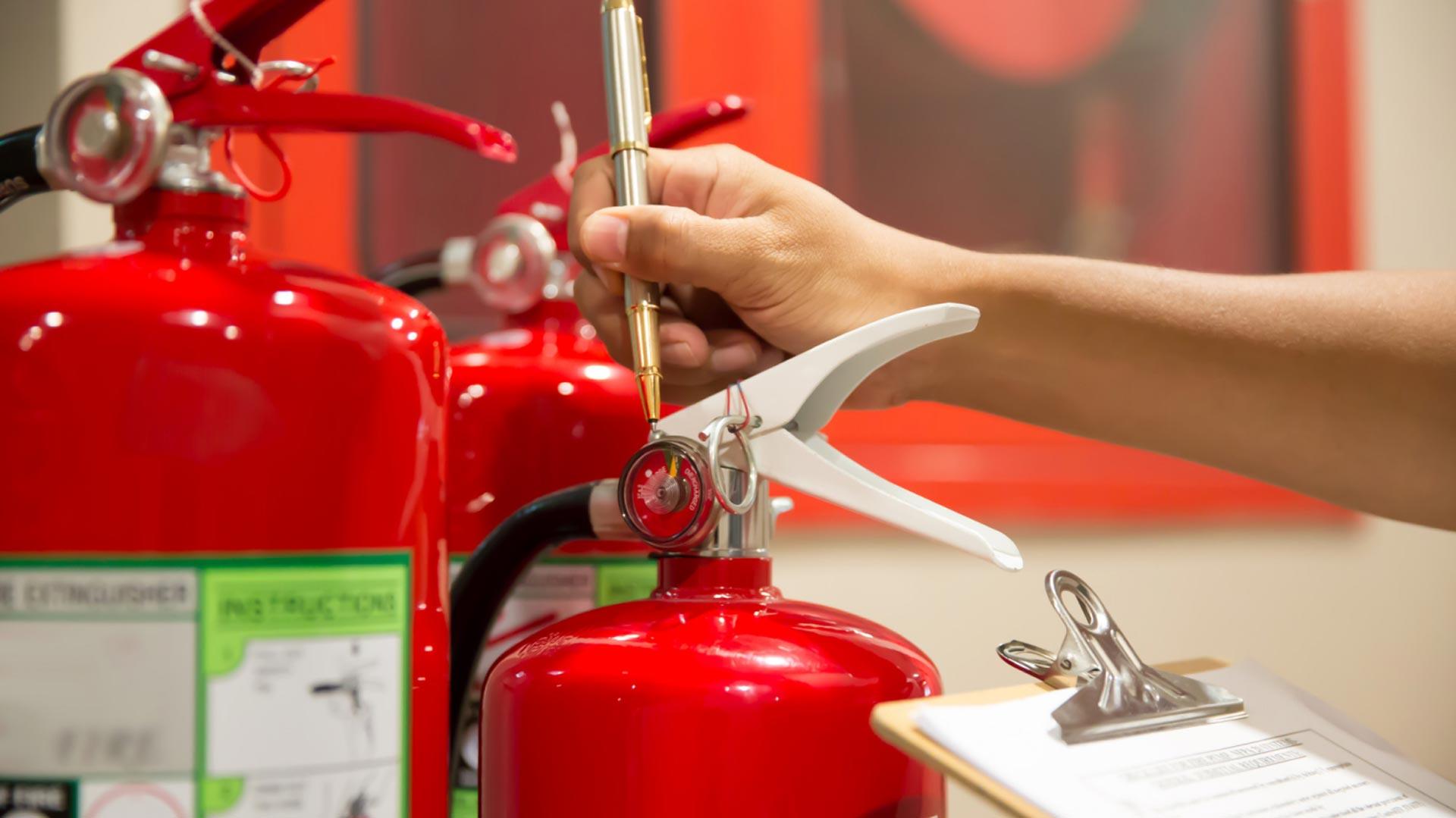
- Regular inspections and servicing are required.
- Train employees on proper use.