
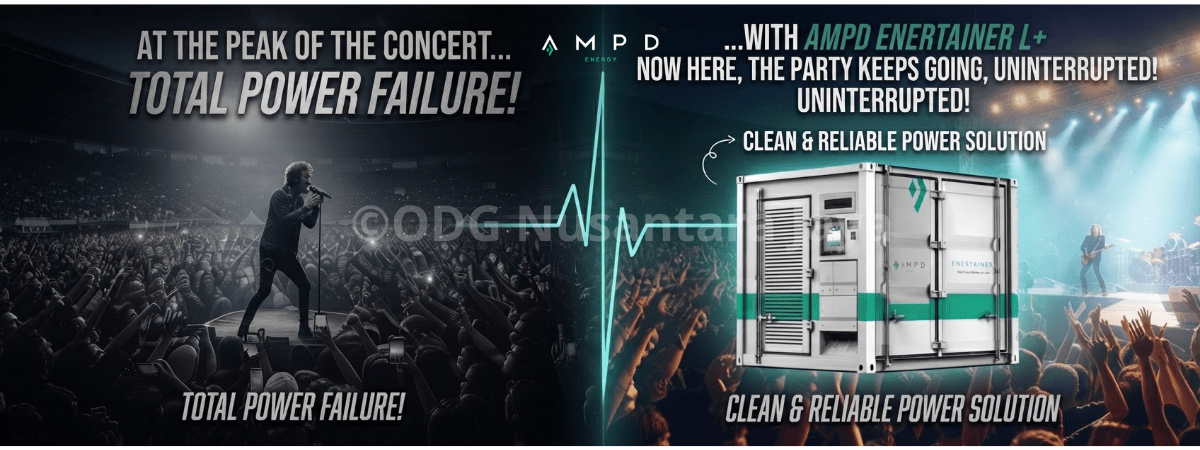
Imagine a major event in Jakarta, with thousands of guests already inside the venue and the headline act ready to perform. The lighting rig, LED screens, sound system, HVAC, and production equipment are operating simultaneously. VIP clients are waiting, sponsors are preparing for their main session, and live streaming is reaching audiences online. Then, the main power source suddenly fails.
Within seconds, attention can shift from the event to a technical problem. For an event organizer, this is more than a simple power interruption. One blackout can disrupt the entire event, reduce client satisfaction, and damage a reputation built over many years.
That is why an event organizer power solution should never be selected based only on rental price. Event organizers need to consider reliability, response time, noise level, emissions, fuel logistics, and the system’s ability to handle peak loads. The right power system can become an important part of keeping an event running smoothly.
When Power Failure Becomes a Reputation Risk
Large events have much more complex power requirements than ordinary activities. Sound systems need stable power, lighting requires significant capacity, LED screens require continuous supply, and HVAC systems must keep operating throughout the event. All these systems can operate simultaneously and create significant changes in electrical demand.
The problem is that clients do not see the technical processes behind the stage. They only see whether the event runs smoothly or experiences an interruption. Therefore, power reliability is actually part of the service quality delivered by an event organizer.
Why Is a Diesel Generator Not Always Ideal?
Diesel generators remain a popular choice for temporary power because they are available in various capacities. However, modern event requirements make several generator limitations increasingly important. Noise, emissions, fuel logistics, and maintenance can affect event operations, especially at premium venues.
Noise Can Affect the Event Experience
Diesel generators produce operational noise while running. At outdoor events, this noise can sometimes be managed through proper equipment placement. However, the situation can be different at ballrooms, exhibitions, premium weddings, and MICE events that require a controlled acoustic environment.
Emissions Can Limit Venue Options
Diesel generators produce tailpipe emissions during operation. Therefore, using generators at indoor venues requires careful consideration of ventilation and venue regulations. Some locations also have specific emission requirements that must be considered during event planning.
Fuel Logistics Add Operational Work
Diesel generators require fuel supply throughout the event. Event organizers need to manage diesel delivery, vehicle access, storage, refueling, and safety procedures. For venues in busy urban areas, these activities can become more complicated because of access restrictions and delivery schedules.
The Biggest Problem Is Not the Blackout. It Is the Timing.
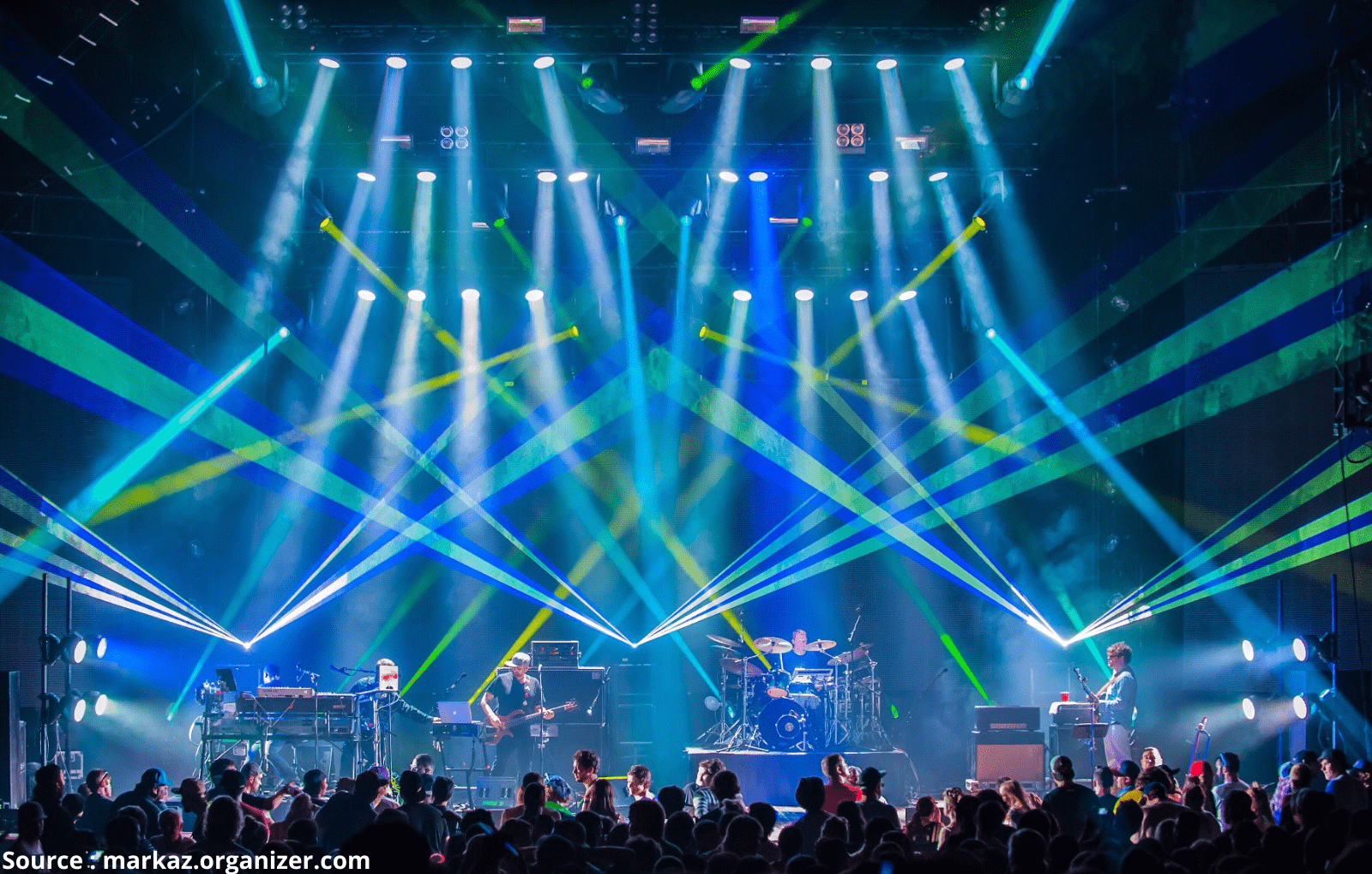
A blackout can happen during any type of event. However, its impact becomes much greater when it occurs at a critical moment. Opening ceremonies, headline performances, sponsor presentations, product launches, and live streaming sessions are examples of situations where a power interruption can immediately become visible.
The consequences do not stop with technical costs. Clients may question the EO’s preparation, sponsors may reconsider the event experience, and audiences may lose the experience they expected. Therefore, investing in power reliability can also be viewed as an investment in reputation and client relationships.
AMPD Enertainer: A New Approach to Event Power
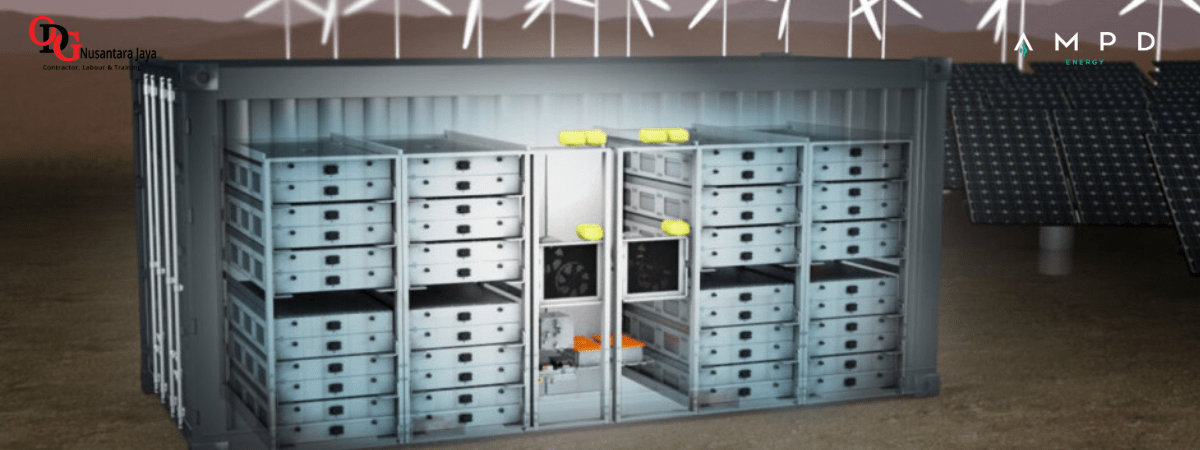
Battery Energy Storage System, or BESS, provides a different approach to temporary power. The system uses battery storage to store and deliver energy according to operational requirements. One solution designed for temporary and hybrid power applications is the AMPD Enertainer from AMPD Energy.
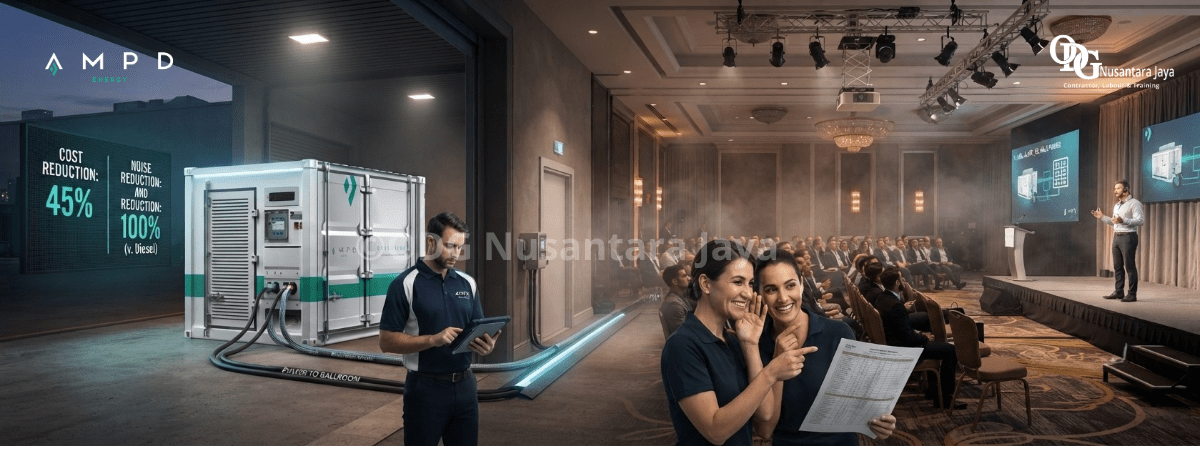
For event organizers, the benefit of BESS goes beyond battery technology. It provides a power alternative that is quieter, more flexible, and suitable for different configurations. AMPD can operate as primary power, backup power, or part of a hybrid power system depending on event requirements.
AMPD Enertainer L+ for High Power Demand Events
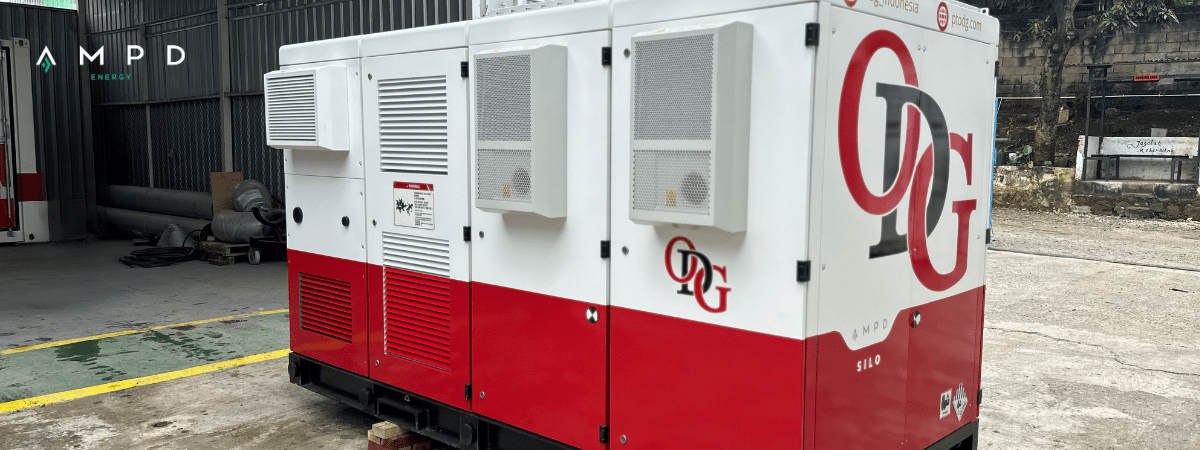
AMPD Enertainer L+ is designed for high-demand temporary power applications. The unit provides up to 427 kVA of nominal output, up to 525 kVA of overload power, and 449 kWh of battery capacity.
The unit operates at approximately 65.1 dBA at full load. It also provides zero tailpipe emissions during battery operation. In addition, 4G connectivity enables real-time equipment monitoring, allowing teams to monitor operating conditions throughout the event.
How Can AMPD Support Event Organizers?
Backup Power for Critical Loads
AMPD can provide additional backup power for equipment considered critical. Event organizers can identify priority equipment such as control systems, LED screens, sound systems, lighting, or other essential equipment based on event requirements.
This configuration provides additional protection when the primary power source experiences an interruption. With proper load planning, AMPD can help maintain power availability for critical equipment when system conditions change.
Primary Power for Selected Applications
AMPD can also operate as primary power when configured according to event requirements. The unit can use the grid for charging and provide stored power for equipment during the event.
This configuration can be attractive for venues with stricter noise and emission requirements. Event organizers can also adjust battery usage according to the load profile and event duration.
Silent Power for Premium Events
Some events require a low-noise environment to maintain the guest experience. Exhibitions, art events, premium weddings, corporate events, and MICE programs are examples where this requirement can become important.
Battery operation provides an attractive alternative because it produces zero tailpipe emissions during battery operation. Lower noise also provides event organizers with greater flexibility when planning equipment placement.
Do Not Look Only at Rental Cost
Rental price is an important part of event budgeting. However, event organizers also need to consider operational risks throughout the event. A lower power rental cost may not be the most economical option if the system carries a higher risk of downtime.
The question should not only be “How much does the power rental cost?”
A more important question is:
“How much could a power failure cost if it happens during the event?”
This perspective helps event organizers see power as part of risk management rather than simply an operational expense.
Start with Load Profiling
Power planning should begin before the event reaches the production stage. The EO team should map all equipment, calculate power requirements, identify critical loads, and estimate peak demand throughout the event.
The load profile can then determine the most suitable power configuration. Based on the results, the event may require primary power, backup power, hybrid power, silent power, or a combination of several configurations.
This approach also helps prevent both oversizing and undersizing. With the right capacity, the power system can be designed more efficiently without compromising reliability.
Power Is Part of Your EO Reputation
When an event runs smoothly, audiences may never think about the power system behind it. However, when a blackout occurs, the power system can become one of the first things they remember. That is why reliability should be treated as part of the event standard from the beginning.
AMPD provides an alternative for event organizers looking to improve temporary power management through battery-based technology. With lower noise, zero tailpipe emissions during battery operation, flexible applications, and 4G connectivity, AMPD can become part of a reliable power strategy for different event requirements.
Rent AMPD for Your Event with PT ODG Nusantara Jaya
PT ODG Nusantara Jaya provides AMPD rental solutions for temporary power requirements across different types of events. Our team can help assess your requirements based on total power demand, load profile, critical loads, peak demand, event duration, venue conditions, and backup requirements.
With the right assessment, the AMPD configuration can be matched to your actual event requirements. You do not have to determine power capacity based on assumptions or rent equipment with excessive capacity.
Start your power planning during the early stages of event preparation and make sure your system can support your production requirements.
Contact PT ODG Nusantara Jaya to discuss your AMPD rental requirements and find the right power solution for your event.
Do not wait for a blackout to discover the importance of power reliability.
Whatsapp : +62 811-8111-3032
Email : sales@protk.co.id