
“The excavator stopped only two hours after delivery. Who will cover my losses?”
Rental coordinators hear similar complaints several times every week.
Many companies assume the equipment has a mechanical failure.
However, the actual problem often comes from a discharged battery after storage.
Rental customers expect every machine to operate immediately.
They do not care how long the equipment stayed in the yard.
They simply expect reliable performance from delivery.
For many rental businesses, dead battery equipment rental has become a major source of customer complaints, emergency service calls, and lost business opportunities.
Why Batteries Create Unexpected Downtime
A rental company operated excavators, wheel loaders, and mobile compressors. Its fleet ranged from three to eight years old.
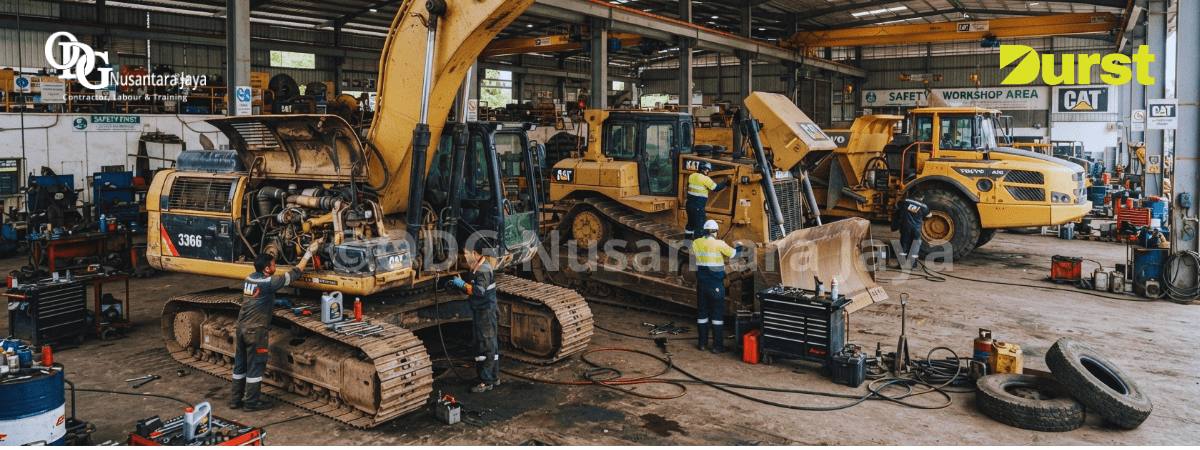
Many units remained in storage for two or three weeks before the next rental. Others returned from previous projects with poor battery maintenance.
As a result, approximately 15–20% of delivered units experienced dead batteries upon arrival.
The consequences quickly accumulated.
- Projects stopped unexpectedly.
- Technicians traveled to customer sites.
- Transportation costs increased.
- Customer confidence declined.
These hidden costs exceeded the investment required for proper battery maintenance.
Finding the Real Root Cause
The maintenance team reviewed every battery-related incident. Most machines showed no electrical defects. Instead, batteries lost charge during inventory holding periods.
Natural self-discharge also contributed to the problem. Many batteries never received routine charging while waiting for deployment. The company realized the issue was not equipment reliability. The real challenge was battery management.
A Practical Battery Strategy
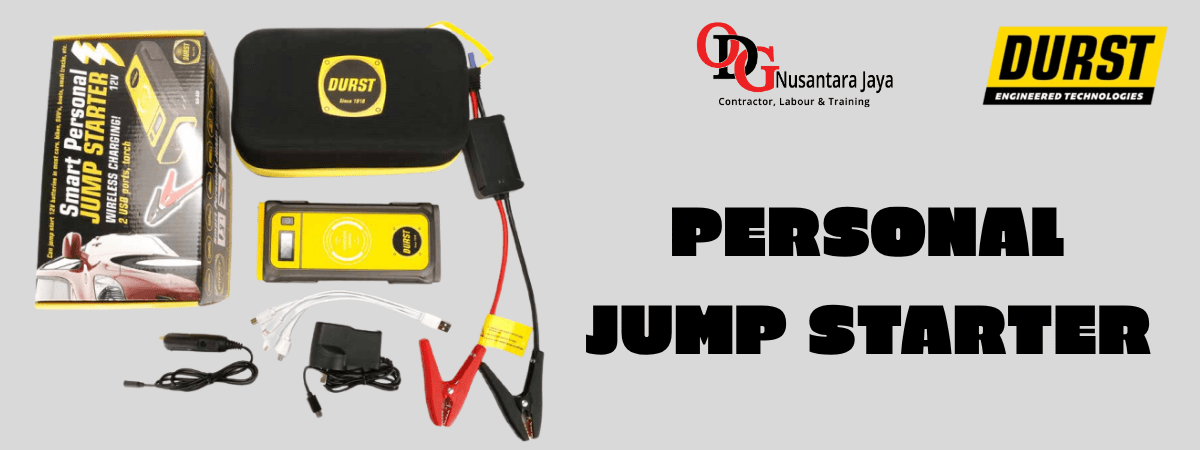
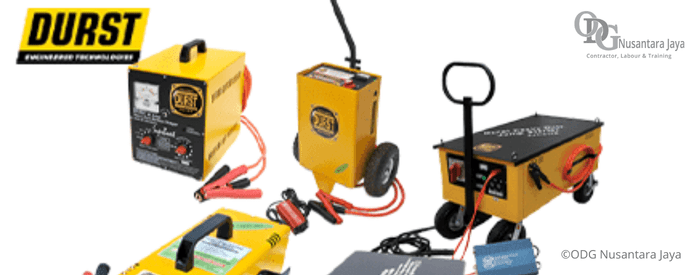
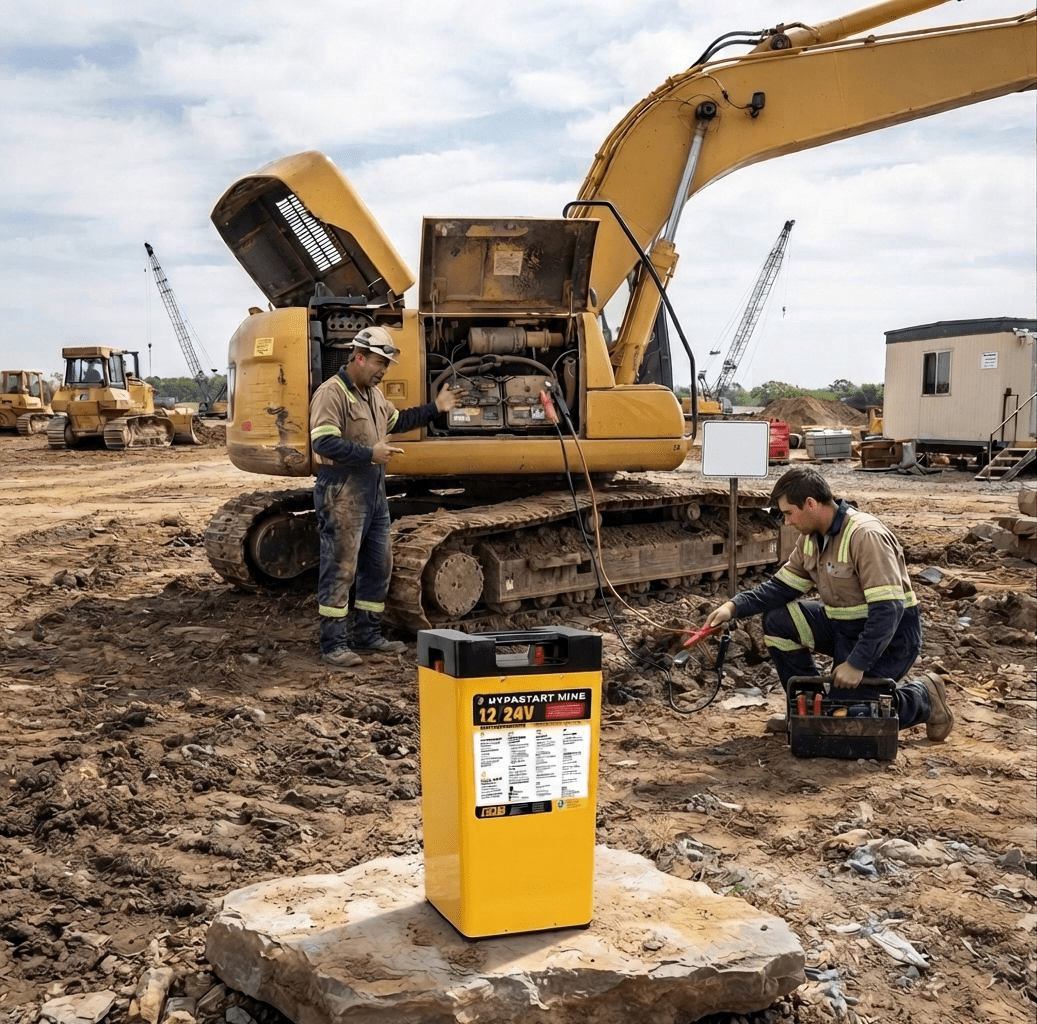
The company introduced a simple preventive program. Every distribution location received DURST HypaStart X4500 portable jump starters for 24V equipment. Delivery personnel completed battery inspection training.
- They checked battery condition before loading.
- They performed quick starts whenever necessary.
- Returned equipment entered scheduled charging immediately.
- Each procedure required only a few minutes.
Twelve Weeks of Implementation
The rollout happened gradually over three months.
- Week one focused on fleet battery inspections.
- The following weeks distributed support equipment.
- Delivery teams received operational training.
- Workshops introduced preventive charging schedules.
- By week eight, nearly every branch followed the new process.
- Emergency service calls started decreasing.
- Customer feedback became increasingly positive.
Measurable Business Results
After twelve months, the improvements were significant. Dead on arrival rates dropped from 15–20% to below 2%. This represented an 85% improvement. Recovery time decreased from eight to twenty-four hours. Most units returned to service within 30 to 45 minutes. Customer Net Promoter Score increased by 34 points. Repeat rental rates improved by 28%.
Equipment turnaround became three days faster. More rental cycles generated higher annual revenue from each asset. These results proved that dead battery equipment rental issues can be dramatically reduced through consistent battery management.
An Unexpected Marketing Advantage
The greatest benefit extended beyond maintenance savings. Customers gained confidence knowing equipment could be recovered quickly on-site.
That reassurance strengthened long-term relationships. The company also differentiated itself from competitors. Reliable battery support became part of its customer value proposition.
Management Perspective
“We originally wanted fewer service calls. Instead, customers appreciated the confidence that every machine could return to work immediately. That trust increased repeat business.”
Battery management may appear to be a minor operational task. In reality, it directly influences customer satisfaction, fleet availability, and profitability.
Portable jump starters, smart battery chargers, and preventive battery routines reduce downtime while improving fleet utilization. Simple operational improvements can create measurable financial and competitive advantages for heavy equipment rental companies.
Want to reduce battery-related downtime across your rental fleet?
Contact PROTK to learn how DURST Portable Jump Starters and Smart Battery Chargers can improve fleet reliability and customer satisfaction.
Whatsapp : +62 811-8111-3032
Email : sales@protk.co.id