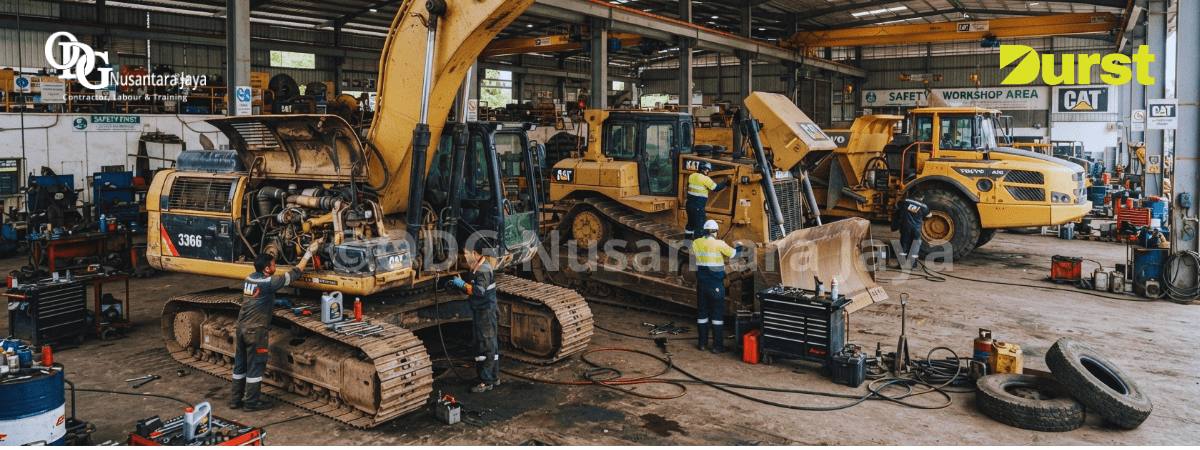


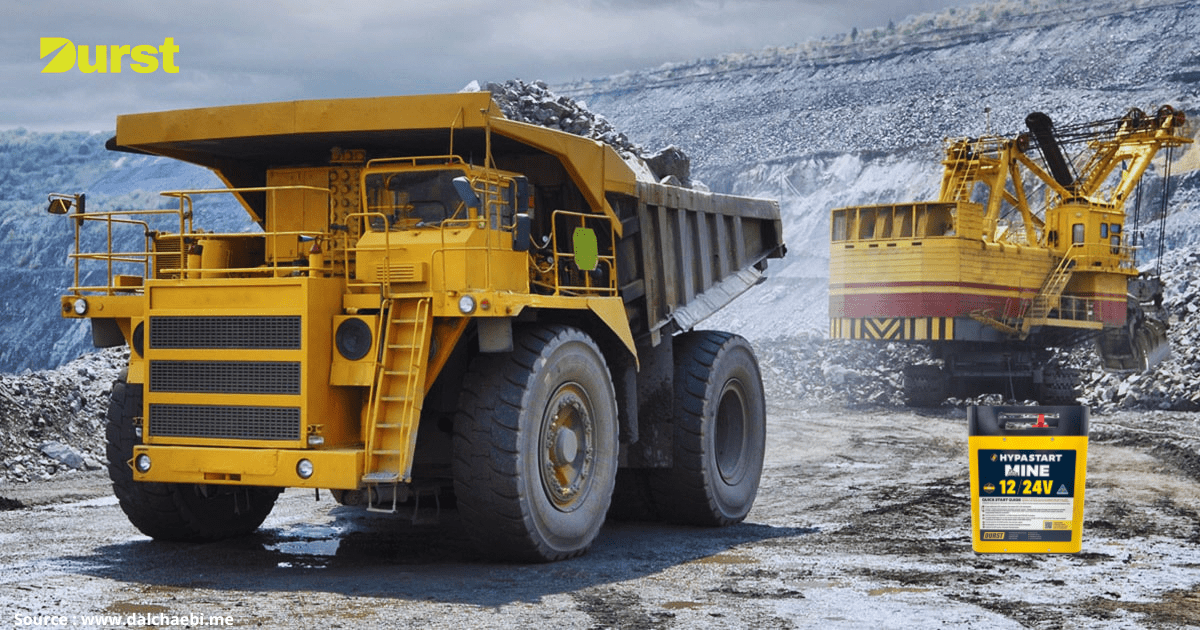
An excavator operator once remained stranded for almost 14 hours after a battery failure at a remote mining site. The incident created more than equipment downtime. The maintenance team dispatched recovery vehicles across difficult terrain. Production schedules slipped, and safety risks increased because the operator stayed far from the main facilities.
Many mining operations still experience similar situations. Batteries often receive less attention than engines or hydraulic systems. However, every machine depends on a healthy battery to start reliably.
This incident encouraged the company to establish preventive battery maintenance as a key asset reliability strategy.
The Hidden Cost of Reactive Maintenance
Before implementing a predictive maintenance program, a large mining site operating 85 heavy equipment units recorded an average of 12 battery-related electrical incidents every month.
Each emergency event cost approximately IDR 8–12 million. Expenses included towing, emergency repairs, technician overtime, and production losses. The indirect impact proved even greater.
Reactive maintenance created several operational problems.
- Increased equipment downtime.
- Delayed hauling schedules.
- Emergency-focused maintenance activities.
- Reduced operator productivity.
- Higher safety exposure in remote locations.
Maintenance records revealed that nearly 60 percent of battery failures showed early warning signs before complete failure. Routine testing could have predicted most of these incidents.
Battery Health Data Changed the Maintenance Strategy
The maintenance team began collecting battery condition data across the fleet. Most machines used 24V lead-acid batteries rated between 200 Ah and 300 Ah for excavators and dump trucks. The fleet also used alternators built to Komatsu, CAT, and Volvo standard specifications.
Testing identified several common trends.
- Reduced cold cranking performance.
- Increased internal resistance.
- Significant voltage drop during engine starting.
- Charging systems requiring adjustment.
The findings confirmed that battery failures rarely occur without warning.
Implementing Data-Driven Battery Health Monitoring
The company replaced experience-based inspections with a structured battery health monitoring program.
The solution included:
- DURST BT-3006F carbon pile battery tester.
- DURST BCS-A1220 for top-up charge cycles.
- DURST HypaStart as an emergency backup solution.
Every battery entered a maintenance schedule based on actual test results instead of estimated service life.
Each inspection generated historical performance data, allowing technicians to identify performance degradation before failure occurred. Maintenance decisions became more accurate and predictable.
Six-Month Implementation Journey
The first month focused on technician training and inspection standards. Routine battery testing started during the second month. The maintenance team built a battery condition database in the third month. Maintenance schedules changed according to battery performance during the fourth month.
Inspection compliance improved significantly in the fifth month. By the sixth month, the new maintenance process achieved strong adoption across the entire fleet. Changing work habits became the largest challenge. Many technicians initially relied on personal experience instead of measured data. Consistent testing results gradually built confidence throughout the maintenance team.
Measurable Business Results
The results became visible within six months. Battery-related incidents dropped from 12 to only 2 incidents per month. The maintenance program cost approximately IDR 3 million each month, including battery testing and technician labor.
Previous emergency responses consumed much higher operational budgets. The company achieved total savings of approximately IDR 1.2 billion by preventing failures instead of responding to emergencies. The investment reached full ROI within six months.
The program also prevented an estimated eight to ten potential safety incidents during the implementation period. Fleet reliability improved, supporting more stable production performance.
These results demonstrate that preventive battery maintenance is more than a maintenance activity. It is a strategic investment that strengthens equipment reliability, reduces operating costs, and supports long-term operational performance.
Battery Testing Is an Operational Requirement
Many organizations still consider battery testing an optional maintenance activity. Real operating experience proves otherwise. Routine battery testing provides early warning before unexpected failures occur. Maintenance teams can schedule battery replacement without disrupting production.
The result is lower operating costs, higher equipment availability, and improved workforce safety. Battery testing is no longer a luxury. It has become an operational requirement for modern mining operations.
PT ODG Nusantara Jaya provides complete solutions for battery health monitoring, preventive maintenance, DURST battery testers, professional battery chargers, and technical workshops for maintenance teams. Contact our specialists to build a safer, more reliable, and data-driven battery maintenance program for your mining operation.
Whatsapp : +62 811-8111-3032
Email : sales@protk.co.id