

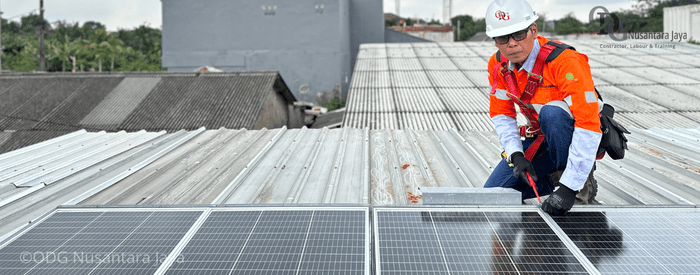
Energy transition drives renewable energy and electrification across industries. Solar PV, Battery Energy Storage System, and modern electrical systems improve efficiency. These systems also introduce complex electrical safety risks. Projects often operate in open and remote environments. Harsh weather and high-power equipment increase electrical hazards. In this context, electrical contractors play a critical role. Electrical contractors ensure systems are designed and installed safely. Their expertise protects personnel and system reliability.
Importance of Electrical Safety in Renewable Energy Projects
Renewable energy project electrical safety remains a top priority for contractors. Renewable systems show higher complexity than conventional installations. Many systems operate at medium and high voltage levels. Solar PV and BESS combine DC and AC systems within one network. Integration of inverters and battery systems requires reliable protection. Design or installation errors may cause serious failures. Electrical contractors ensure protection systems function correctly. This approach reduces accidents and asset damage.
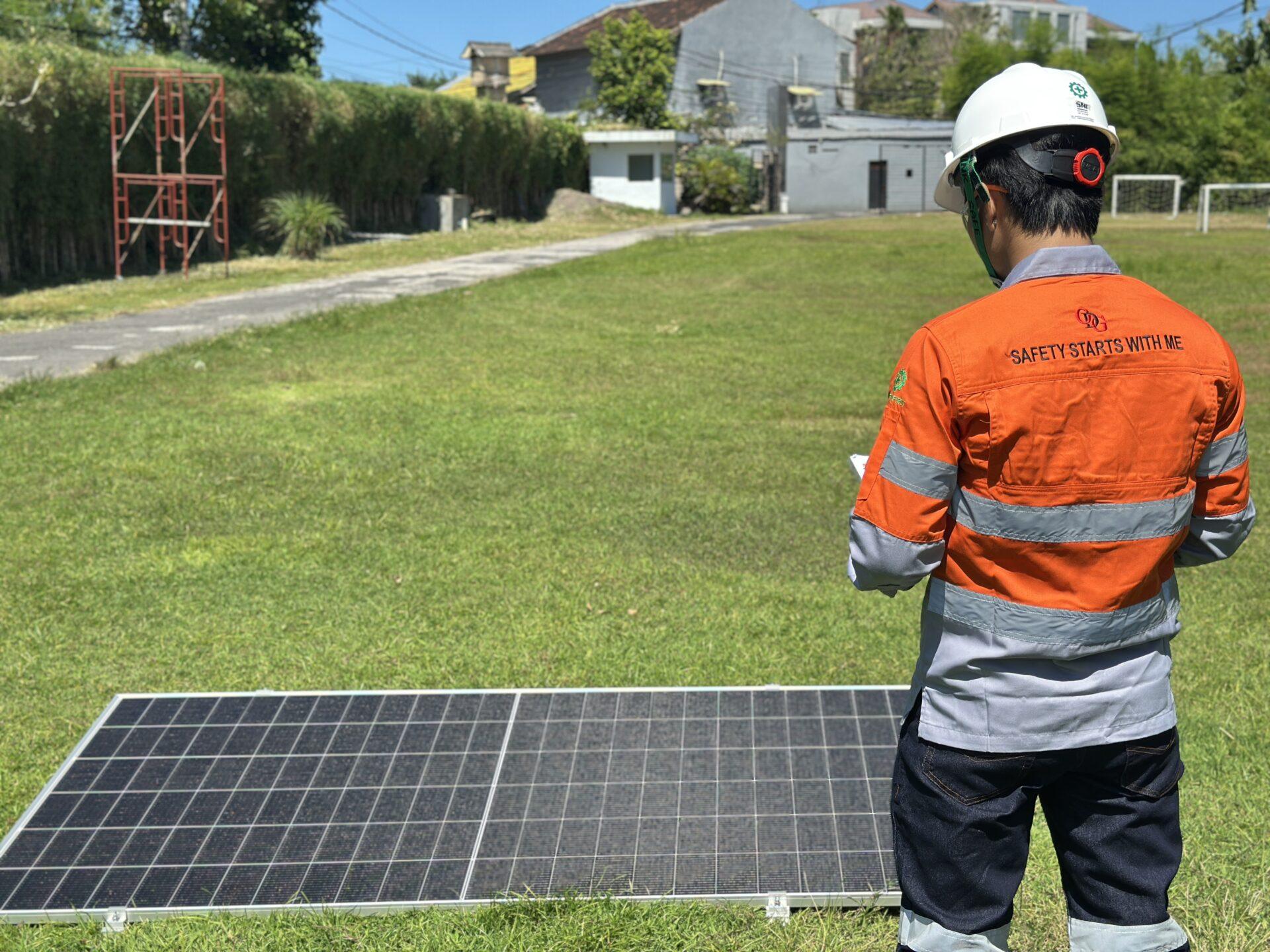
Electrical Risks Managed by Electrical Contractors
Electrical contractors manage multiple electrical risks on site. Solar PV systems generate high DC voltage during operation. Improper insulation or grounding increases shock hazards. BESS installations present thermal runaway and overcurrent risks. Protection system failures may lead to fire incidents. Maintenance activities also increase operational risk. Electrical contractors enforce strict work procedures. Testing and isolation practices help minimize human error.
Electrical Safety Standards and Contractor Compliance
Electrical contractors must apply international and national electrical safety standards in every project. These standards ensure electrical systems are designed, installed, and operated safely and reliably. Commonly used international references include IEC and IEEE, which regulate electrical system design, installation, and protection. NFPA 70 or the NEC provides safety guidelines to prevent electric shock and fire hazards. For medium- and high-voltage power installations, IEC 61936 serves as the primary technical reference. In terms of occupational safety management, electrical contractors follow ISO 45001, which defines occupational health and safety management systems to control workplace risks and prevent accidents.
In Indonesia, compliance with PUIL (General Requirements for Electrical Installations) is mandatory. PUIL defines technical requirements for electrical installations, including equipment selection, installation methods, and protection systems. Electrical contractors are responsible for ensuring compliance before system energization.
Beyond technical standards, projects must also meet HSE (Health, Safety, and Environment) requirements. HSE focuses on risk control, worker protection, and environmental impact management throughout the project lifecycle.
ESG (Environmental, Social, and Governance) considerations are increasingly important in energy and industrial projects. Compliance with electrical safety standards and HSE practices supports the social and governance pillars of ESG and demonstrates a commitment to sustainability.The application of these standards enables electrical contractors to deliver safe, compliant, and sustainable electrical works.
Electrical Contractor Services in Renewable Energy Projects
Electrical contractors play a key role starting from the engineering design stage. Their services include load calculation, short circuit study, and protection coordination. This stage determines the overall safety and reliability of the electrical system. Installation is carried out in accordance with the approved design and technical standards. This process ensures that all equipment is installed safely and ready for operation. The commissioning phase confirms that the system performs according to specifications. The Factory Acceptance Test (FAT) verifies equipment performance before delivery. The Site Acceptance Test (SAT) ensures optimal system operation after installation. Loop testing checks the integrity of control circuits and protection systems. Electrical contractors also perform preventive maintenance and periodic inspections. These services maintain system reliability and reduce the risk of electrical failures. Electrical safety in renewable energy projects strongly depends on the quality and expertise of a competent and experienced electrical contractor.
Ensure every electrical installation for your renewable energy project is handled by a professional team. Trust your electrical contractor needs to ODG Nusantara Jaya for safety, reliability, and long-term sustainability.
Whatsapp : +62 811-8111-3032
Email : sales@protk.co.id