

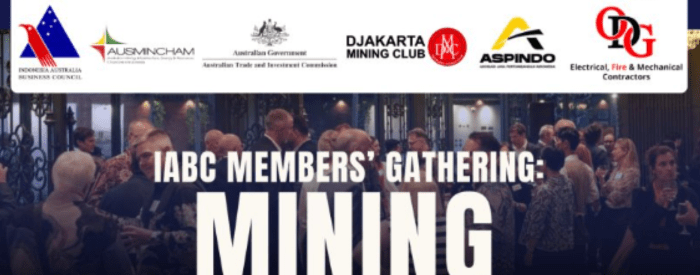
IABC Networking Event 29 January 2026 brought together professionals from the mining industry. The event created meaningful connections across companies and sectors. Participants engaged in dynamic discussions throughout the session.
This gathering served as a strategic platform for networking and insight exchange. Industry leaders shared perspectives on current trends and operational challenges. The conversations encouraged practical knowledge sharing.
A Platform for Strategic Partnerships
IABC designed the event to foster collaboration among key stakeholders. Professionals discussed business opportunities and long-term partnerships. The forum supported open communication and relationship building.
Such initiatives strengthen the mining ecosystem. Collaboration enables companies to adapt to evolving market demands. The event reinforced the importance of community-driven engagement.

Exclusive Entertainment and Interactive Activities
Guests enjoyed a special performance by Indonesian jazz prodigy Alonzo Brata. The performance elevated the atmosphere with a refined and professional touch.
Participants also joined fun driving golf games during the event. These activities increased engagement and encouraged informal networking. The experience balanced business discussion with enjoyable interaction.
Appreciation to the Major Sponsor
IABC expressed sincere gratitude to its major sponsor, PT ODG Indonesia. Their valuable contribution supported the success of the program. Strong sponsorship enhances the quality and impact of industry events.
Through IABC Networking Event, the organization reaffirmed its commitment to strengthening partnerships. IABC continues to expand networking opportunities for its community.
Other Blog
You Also May Like

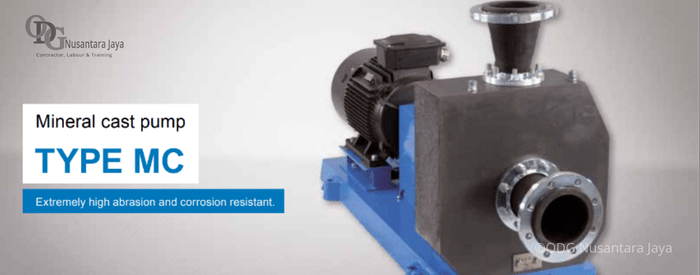
Mining and process industries present serious challenges for pumping systems. Process fluids often contain abrasive particles and aggressive chemicals. These conditions accelerate component wear. Corrosion also weakens pump material structures. As a result, downtime increases and maintenance costs rise.
Pump material selection plays a critical role in operational reliability. Pump systems must withstand extreme working conditions. Advanced material technologies are developed to address these challenges. One proven solution is mineral cast pump technology. This material supports stable performance and extended service life.
Challenges of Abrasive and Corrosive Fluids
Mining slurry carries hard particles of various sizes. These particles cause erosion on impellers and casings. Chemical processes involve acidic and alkaline fluids. Many applications combine abrasive and corrosive characteristics.
Conventional metal pumps struggle under these conditions. Abrasion progressively damages component surfaces. Corrosion weakens material integrity over time. Pump efficiency gradually decreases. System failure risk increases without proper material solutions.
What Is a Mineral Cast Pump
A mineral cast pump is designed for heavy-duty mining and process industry applications. The pump uses composite material based on epoxy resin and mineral aggregate. The structure is non-porous and homogeneous. This characteristic improves resistance against chemical penetration.
Mineral cast material provides excellent corrosion resistance. Aggressive chemicals do not damage internal structures. The pump operates reliably under extreme pressure and temperature. Performance remains stable during continuous duty.
Advantages of Mineral Cast Material
Mineral cast offers high compressive strength. The material does not suffer from electrochemical corrosion like metal. Vibration damping performance is highly effective during operation.
Effective vibration damping reduces stress on rotating components. Bearing and seal wear decreases significantly. Component service life extends considerably. Precise surface finish improves hydraulic efficiency. Flow becomes more stable with minimal turbulence.
Pump Design for Dual Exposure Duty
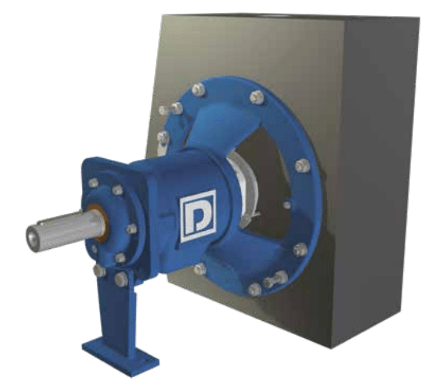
Mineral cast housing design enhances structural rigidity. Dimensional stability remains consistent during thermal fluctuations. Shafts and impellers use alloy steel or ceramic coatings.
Seal systems are engineered for slurry and chemical duty. Bearing systems support continuous operation without performance loss. Hydraulic design maintains consistent flow rate and head pressure.
Applications of Mineral Cast Pumps
The pump is used for slurry transport in mining operations. Other applications include chemical transfer and wastewater handling. Cooling circuits in process plants also benefit from this system.
Mineral cast pump supports long-term operation in harsh environments. Reliability remains high under demanding conditions. Total cost of ownership becomes lower. Mineral cast pump provides an effective solution for simultaneous abrasive and corrosive fluid handling.
Do not let abrasive and corrosive fluids damage your system. Contact ODG Nusantara Jaya today and get mineral cast pump solutions engineered for maximum performance and long-term durability.
Whatsapp : +62 811-8111-3032
Email : sales@protk.co.id
Other Blog
You Also May Like
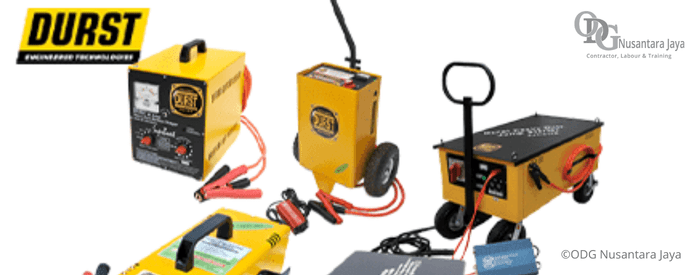
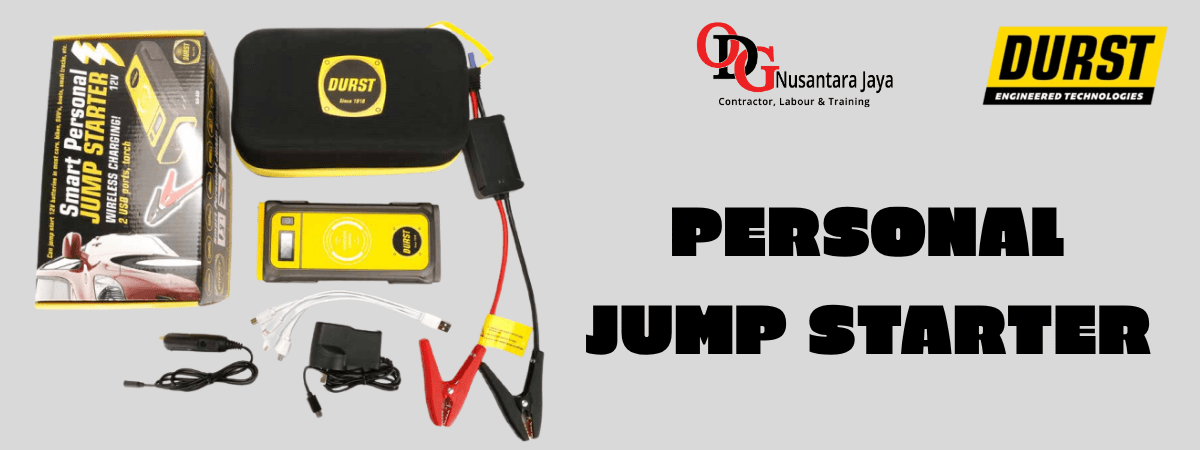
A jump starter is an electrical device used to start engines with weak or dead batteries. It operates independently without another vehicle. In industrial environments, battery failure can stop work instantly.
Operational vehicles like trucks and heavy equipment rely on stable electrical systems. Without a fast solution, small issues can cause major downtime.
Jump Starter Functions for Small and Heavy Vehicles
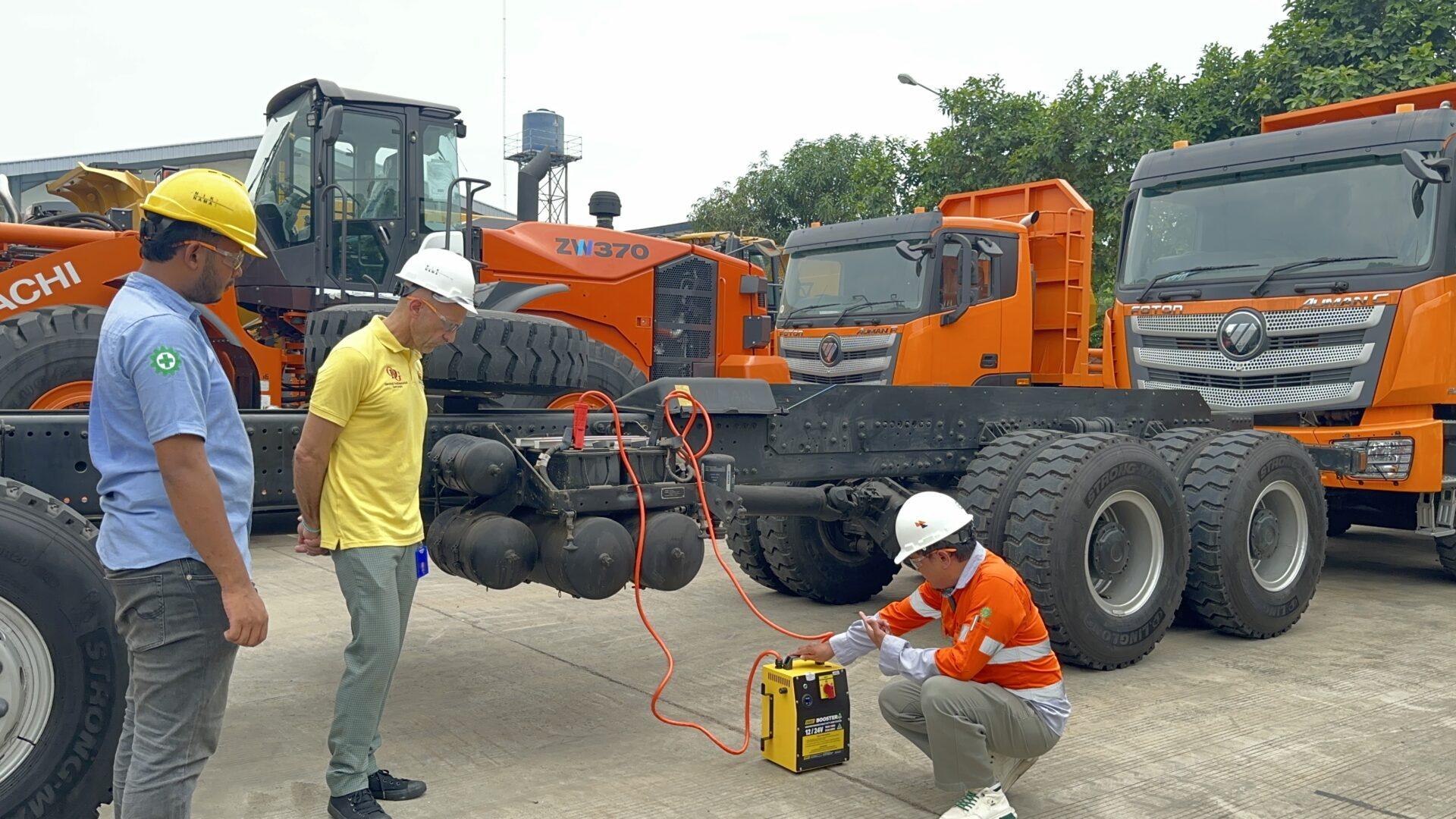
Jump starters allow engines to restart quickly and efficiently. They are essential in remote job sites. Many locations lack external power support.
For small vehicles, jump starters handle emergency situations. For heavy vehicles, they ensure daily fleet readiness.
Advantages in Harsh Work Environments
Industrial environments present unique challenges. Extreme temperatures and dust reduce battery performance. Industrial-grade jump starters deliver high power and durable construction.
Safety features play a key role. Reverse polarity protection and anti-spark systems protect operators and vehicle electronics.
Common Types of Jump Starters
Battery booster jump starters suit workshops and vehicle fleets. Supercapacitor technology offers long lifespan and low maintenance. Choosing the right industrial jump starter depends on engine size and usage frequency.
Among professional solutions, Durst stands out for industrial applications. Durst jump starters are designed for heavy-duty and frequent use. The technology supports safety and long-term reliability.
Durst provides solutions for small vehicles and large diesel engines. With robust design and advanced protection systems, Durst supports efficient industrial operations.
Secure your fleet and heavy equipment operations with professional jumpstarter solutions from ODG Nusantara Jaya.
Whatsapp : +62 811-8111-3032
Email : sales@protk.co.id
Other Blog
You Also May Like

Material selection plays a critical role in fire safety and structural protection. Fire risk, extreme heat, and mechanical stress require high performance materials. SIConit silicon carbide composite provides a reliable solution.
SIConit silicon carbide composite is widely recognized as a fire resistant material. It supports Passive Fire Protection systems without mechanical activation.
What Is SIConit
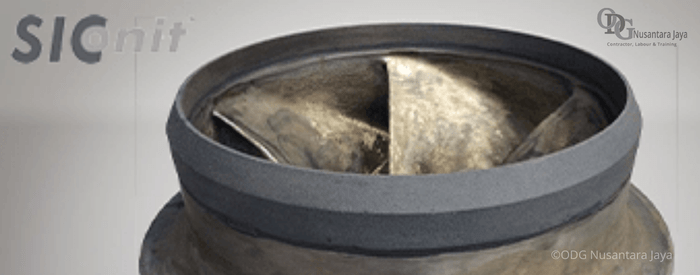
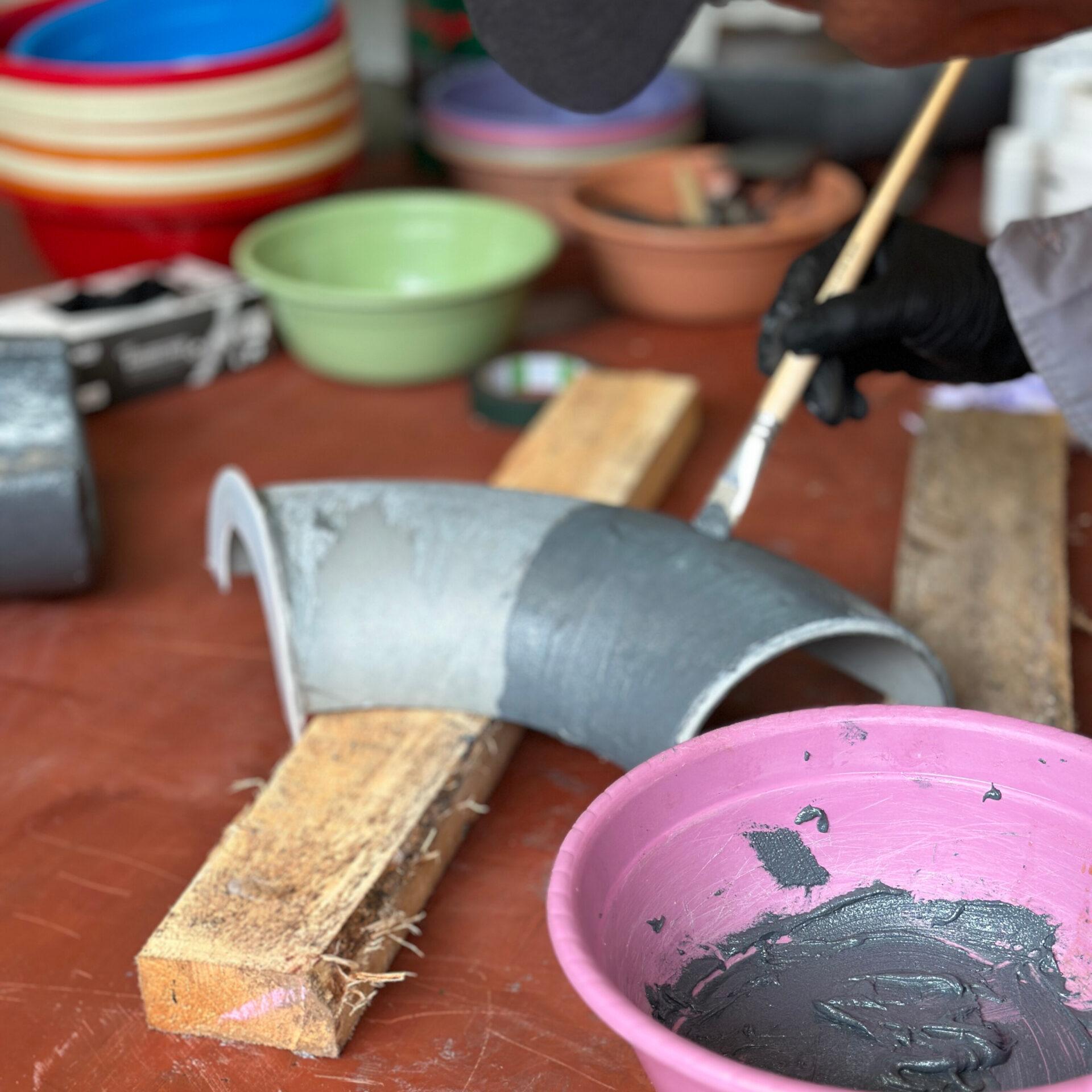
SIConit is a high performance silicon carbide composite. The material is engineered using silicon carbide composite technology to deliver outstanding resistance against heat, abrasion, corrosion, and mechanical stress. This construction provides exceptional strength and thermal stability.
SIConit resists direct fire exposure and extreme temperatures. The material maintains dimensional stability under heat. These properties make SIConit suitable for high risk areas.
Key Characteristics of SIConit
SIConit is non-combustible and does not contribute to fire spread. The material remains stable at elevated temperatures. Dimensional changes are minimal.
The material also resists moisture exposure. SIConit performs well in high humidity environments. Mold growth and material degradation are reduced.
High mechanical strength supports long term use. SIConit performs reliably under heavy duty conditions.
SIConit Applications
SIConit is used for fire rated walls and fire rated ceilings. It protects steel structures from heat exposure. Shaft and ducting linings commonly use SIConit.
Applications include commercial buildings, mining facilities, data centers, and hospitals. SIConit supports compliance with fire safety standards.
SIConit in Passive Fire Protection
SIConit functions as a core component of Passive Fire Protection systems. These systems operate without sensors or activation mechanisms. The material physically limits fire spread.
Passive protection extends evacuation time. Structural elements remain protected. Asset damage risk is significantly reduced.
Why Choose SIConit
SIConit silicon carbide composite combines fire resistance and structural durability. The material supports modern building requirements. Many consultants specify SIConit as a fire rated standard.
Using SIConit provides long term protection. Safety and facility reliability remain well controlled.
Whatsapp : +62 811-8111-3032
Email : sales@protk.co.id
Other Blog
You Also May Like
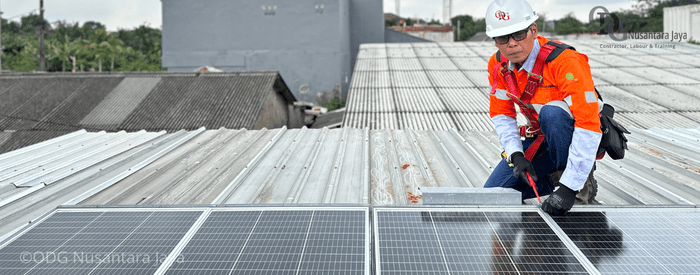
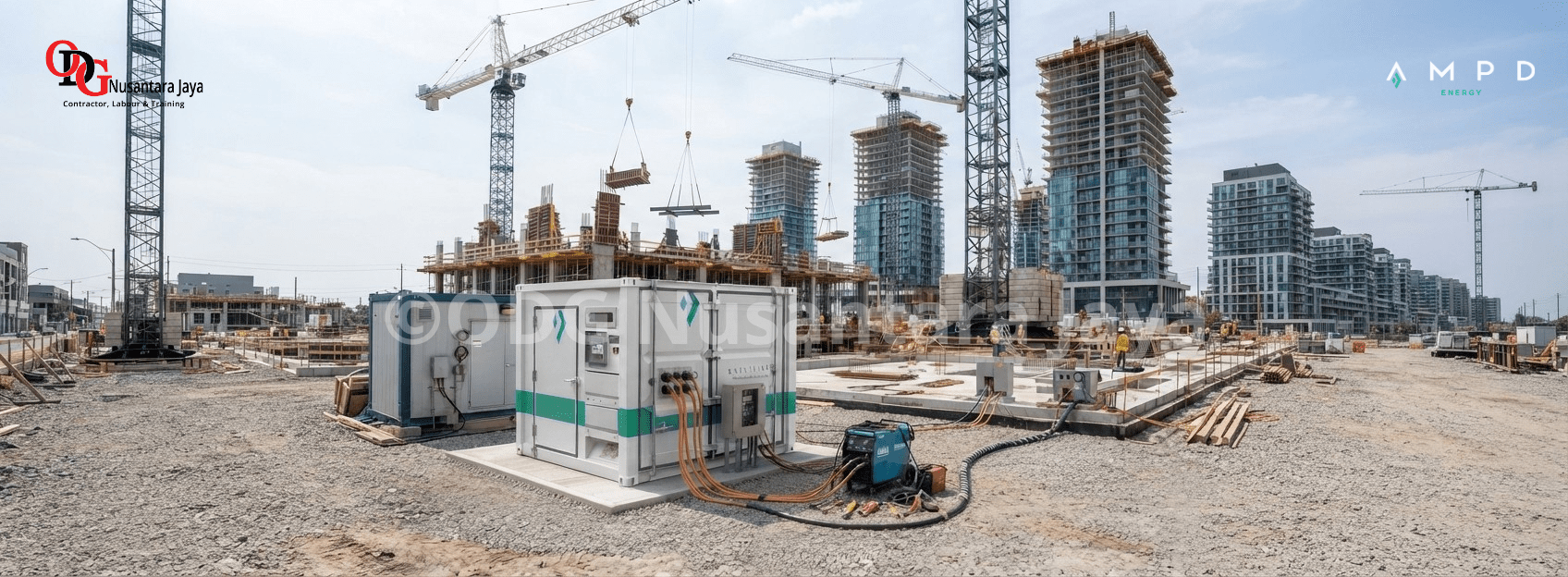
Energy transition drives renewable energy and electrification across industries. Solar PV, Battery Energy Storage System, and modern electrical systems improve efficiency. These systems also introduce complex electrical safety risks. Projects often operate in open and remote environments. Harsh weather and high-power equipment increase electrical hazards. In this context, electrical contractors play a critical role. Electrical contractors ensure systems are designed and installed safely. Their expertise protects personnel and system reliability.
Importance of Electrical Safety in Renewable Energy Projects
Renewable energy project electrical safety remains a top priority for contractors. Renewable systems show higher complexity than conventional installations. Many systems operate at medium and high voltage levels. Solar PV and BESS combine DC and AC systems within one network. Integration of inverters and battery systems requires reliable protection. Design or installation errors may cause serious failures. Electrical contractors ensure protection systems function correctly. This approach reduces accidents and asset damage.
Electrical Risks Managed by Electrical Contractors
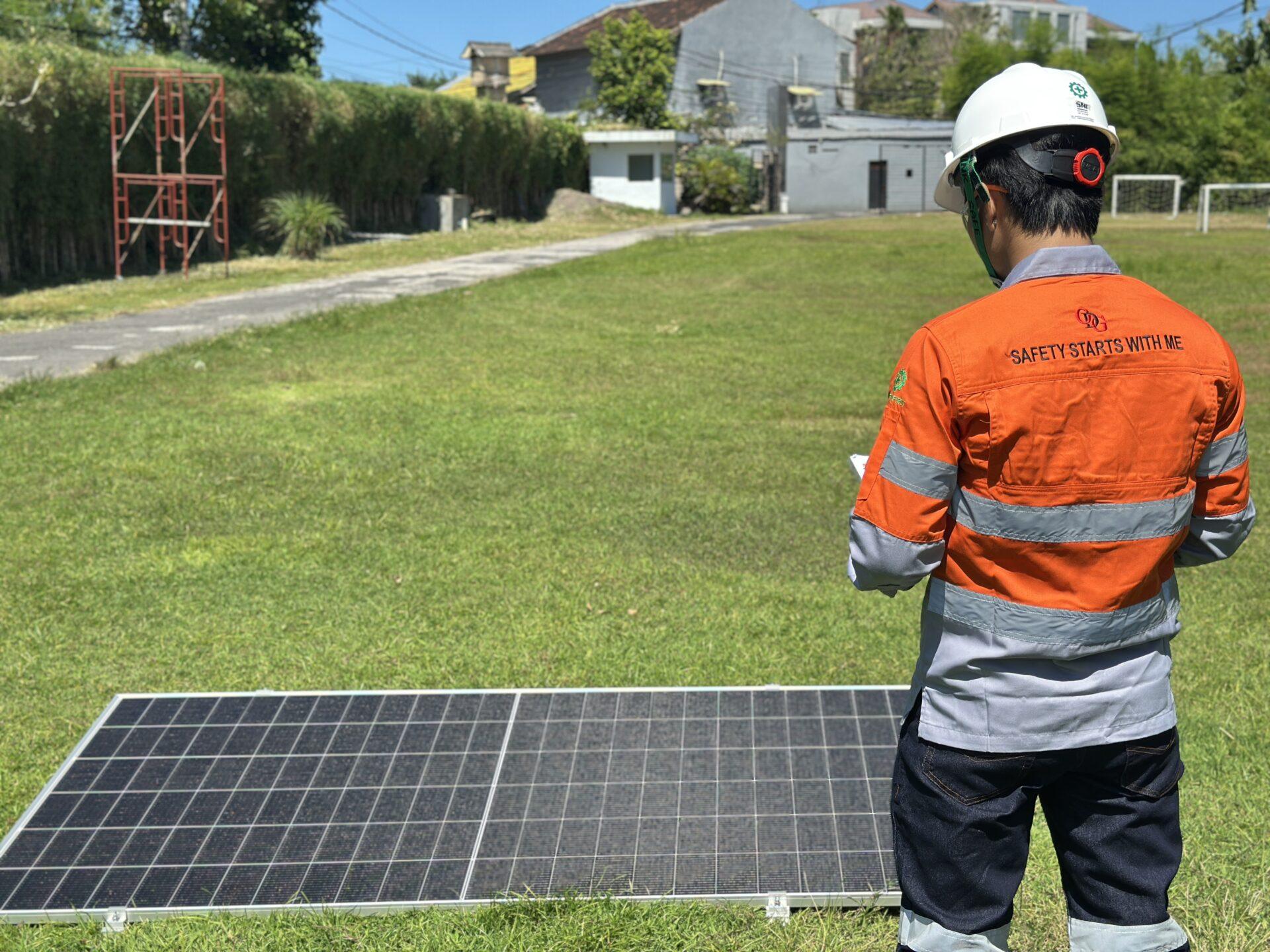
Electrical contractors manage multiple electrical risks on site. Solar PV systems generate high DC voltage during operation. Improper insulation or grounding increases shock hazards. BESS installations present thermal runaway and overcurrent risks. Protection system failures may lead to fire incidents. Maintenance activities also increase operational risk. Electrical contractors enforce strict work procedures. Testing and isolation practices help minimize human error.
Electrical Safety Standards and Contractor Compliance
Electrical contractors must apply international and national electrical safety standards in every project. These standards ensure electrical systems are designed, installed, and operated safely and reliably. Commonly used international references include IEC and IEEE, which regulate electrical system design, installation, and protection. NFPA 70 or the NEC provides safety guidelines to prevent electric shock and fire hazards. For medium- and high-voltage power installations, IEC 61936 serves as the primary technical reference. In terms of occupational safety management, electrical contractors follow ISO 45001, which defines occupational health and safety management systems to control workplace risks and prevent accidents.
In Indonesia, compliance with PUIL (General Requirements for Electrical Installations) is mandatory. PUIL defines technical requirements for electrical installations, including equipment selection, installation methods, and protection systems. Electrical contractors are responsible for ensuring compliance before system energization.
Beyond technical standards, projects must also meet HSE (Health, Safety, and Environment) requirements. HSE focuses on risk control, worker protection, and environmental impact management throughout the project lifecycle.
ESG (Environmental, Social, and Governance) considerations are increasingly important in energy and industrial projects. Compliance with electrical safety standards and HSE practices supports the social and governance pillars of ESG and demonstrates a commitment to sustainability.The application of these standards enables electrical contractors to deliver safe, compliant, and sustainable electrical works.
Electrical Contractor Services in Renewable Energy Projects
Electrical contractors play a key role starting from the engineering design stage. Their services include load calculation, short circuit study, and protection coordination. This stage determines the overall safety and reliability of the electrical system. Installation is carried out in accordance with the approved design and technical standards. This process ensures that all equipment is installed safely and ready for operation. The commissioning phase confirms that the system performs according to specifications. The Factory Acceptance Test (FAT) verifies equipment performance before delivery. The Site Acceptance Test (SAT) ensures optimal system operation after installation. Loop testing checks the integrity of control circuits and protection systems. Electrical contractors also perform preventive maintenance and periodic inspections. These services maintain system reliability and reduce the risk of electrical failures. Electrical safety in renewable energy projects strongly depends on the quality and expertise of a competent and experienced electrical contractor.
Ensure every electrical installation for your renewable energy project is handled by a professional team. Trust your electrical contractor needs to ODG Nusantara Jaya for safety, reliability, and long-term sustainability.
Whatsapp : +62 811-8111-3032
Email : sales@protk.co.id
Other Blog