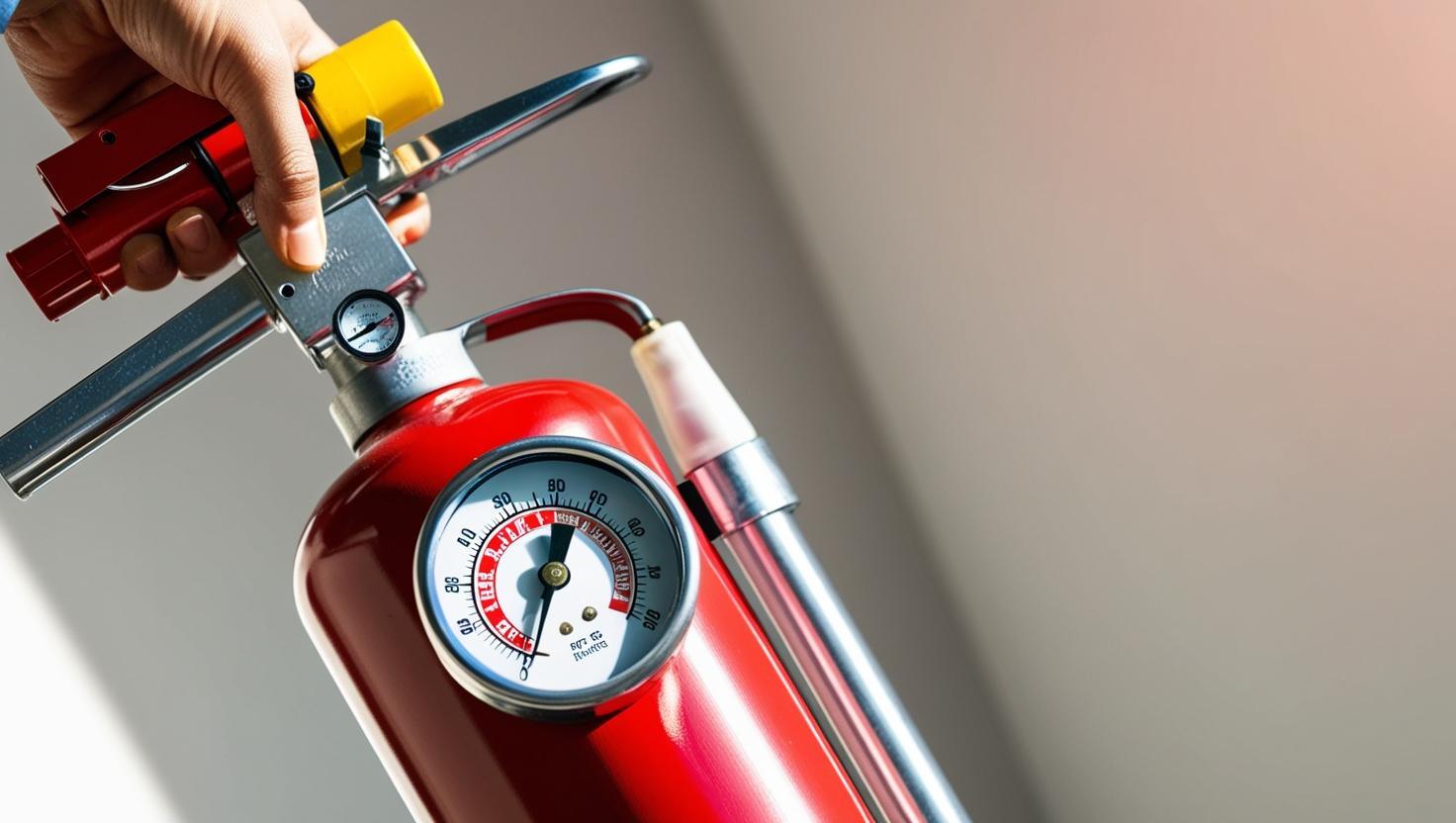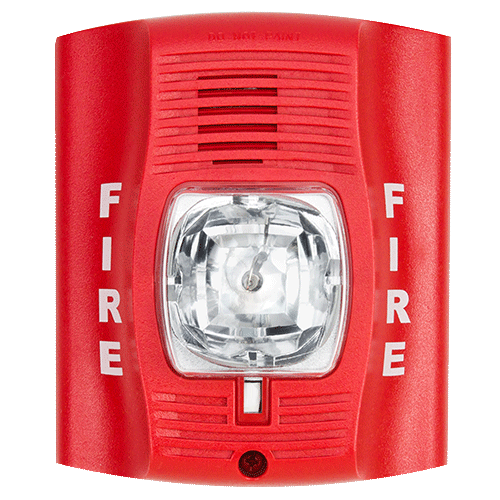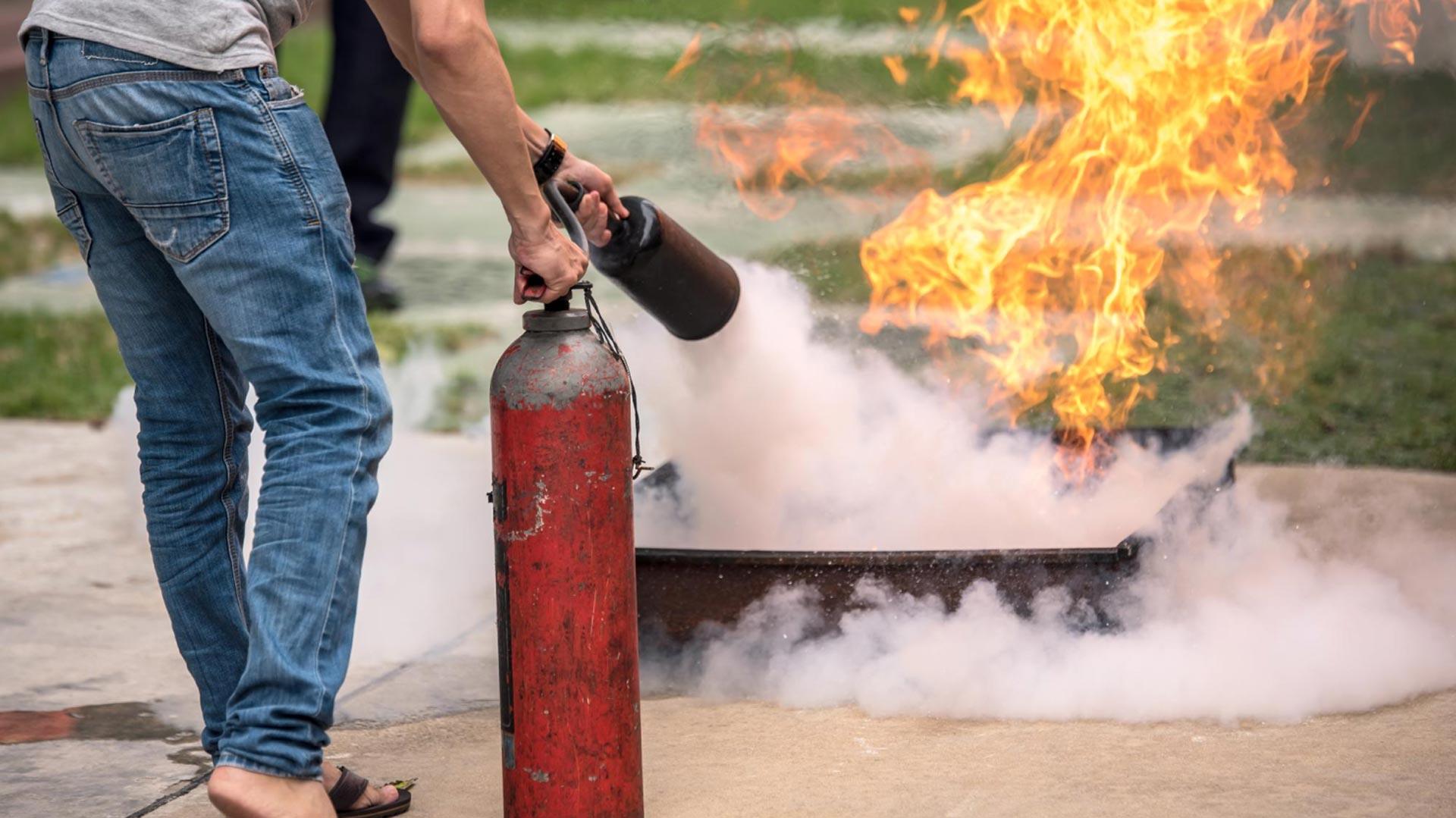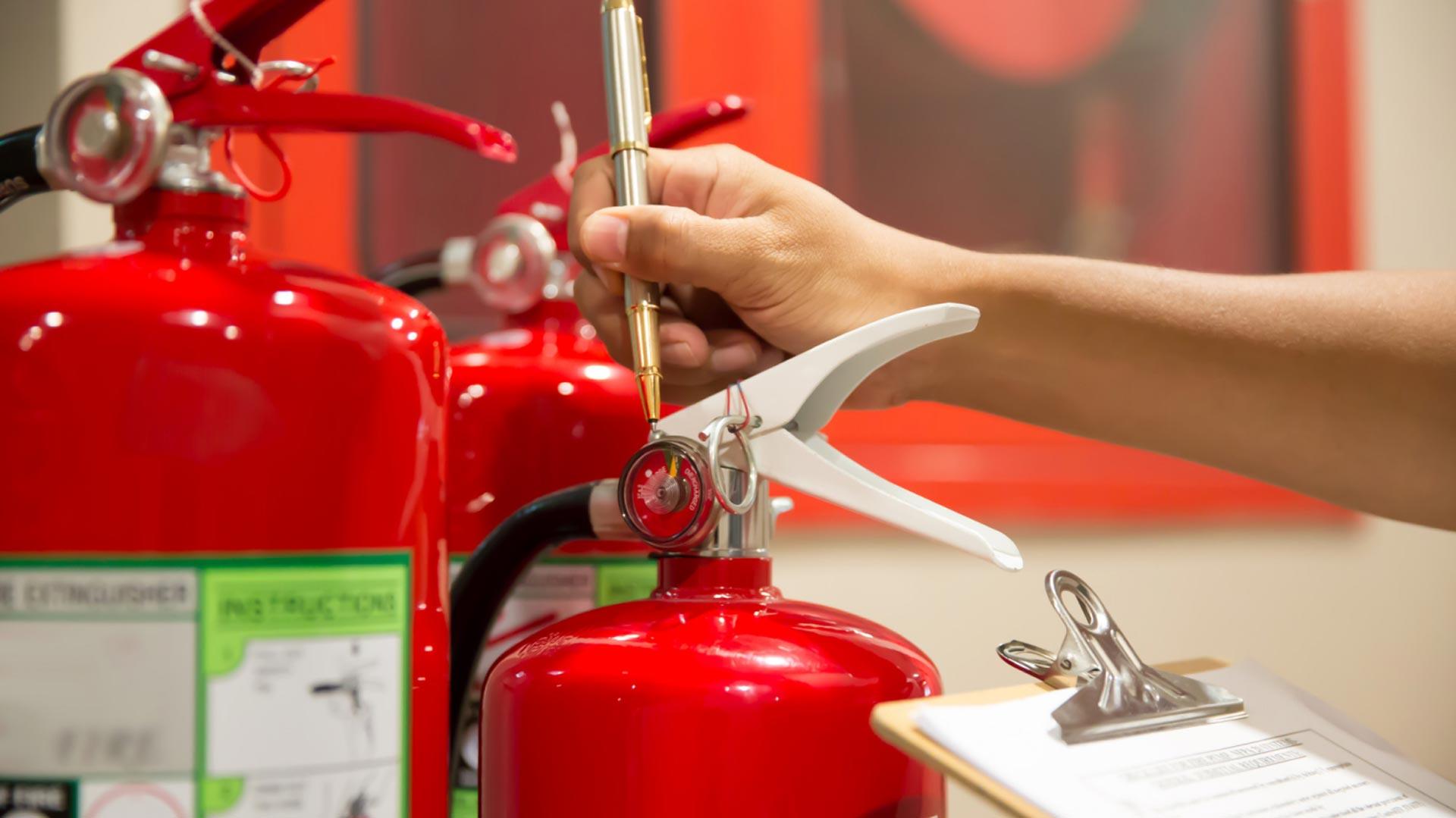


Protect your building, employees, and assets with high-quality fire extinguishers designed for fast and effective fire suppression. A properly installed and maintained fire extinguisher can prevent small fires from turning into major disasters.
Why Your Building Needs Fire Extinguishers?
- Immediate Fire Control – Stop fires before they spread.
- Ensures Safety Compliance – Meets local fire codes and HSE regulations.
- Protects Lives & Property – Reduces fire damage and risk of injury.
- Suitable for All Fire Types – Available in Dry Powder, CO₂, Foam, Water, and Wet Chemical options.
Fire extinguishers are a critical first line of defense against fires in any building. Here’s why they are essential for fire control, safety compliance, and property protection:
Immediate Fire Control – Stop Fires Before They Spread
A fire can grow rapidly if not controlled within the first few minutes. Fire extinguishers allow quick action, preventing small flames from escalating into life-threatening, destructive fires.
- Fast Response – Instantly available for immediate use.
- Minimizes Fire Damage – Controls the fire before it spreads to other areas.
- Saves Lives & Assets – Reduces risk to people and valuable property.
Example: A small kitchen grease fire can be quickly extinguished with a wet chemical fire extinguisher before it engulfs the entire cooking area.
Ensures Safety Compliance – Meets Fire Codes & HSE Regulations
Government and industry regulations require businesses to have proper fire extinguishers in place to protect people and property.
- Meets Local Fire Safety Standards – Compliance with HSE, NFPA, OSHA, and local fire codes.
- Avoids Penalties & Legal Issues – Ensures workplace safety and avoids fines.
Required in All Commercial & Public Buildings – Hotels, offices, factories, restaurants, and more.
Example: A restaurant must have Class K fire extinguishers in their kitchen to comply with fire safety laws.
Protects Lives & Property – Reduces Fire Damage & Injury Risks
Fires can cause severe injuries, fatalities, and financial losses. Having the right extinguisher available can prevent disasters and save lives.
- Reduces Fire Damage – Prevents costly destruction of buildings, machinery, and inventory.
- Protects Employees & Customers – Ensures safety in workplaces and public areas.
- Prepares You for Emergencies – Increases workplace and household readiness.
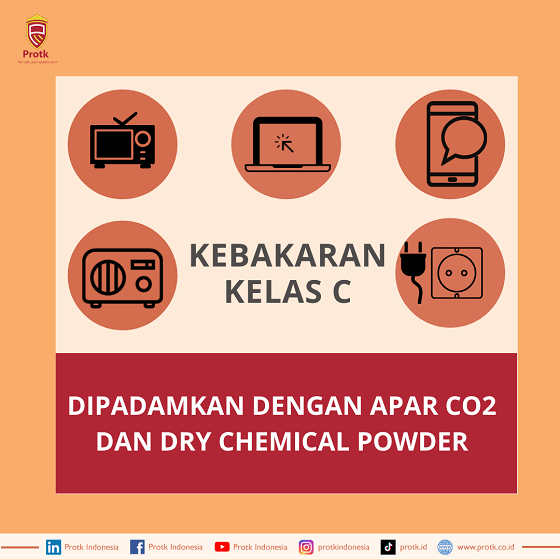
Example: An office employee using a CO₂ fire extinguisher on an electrical fire prevents electrical equipment damage and potential injuriesSuitable for All Fire Types – Choose the Right Extinguisher
Different fires require different types of extinguishers to ensure effective suppression.
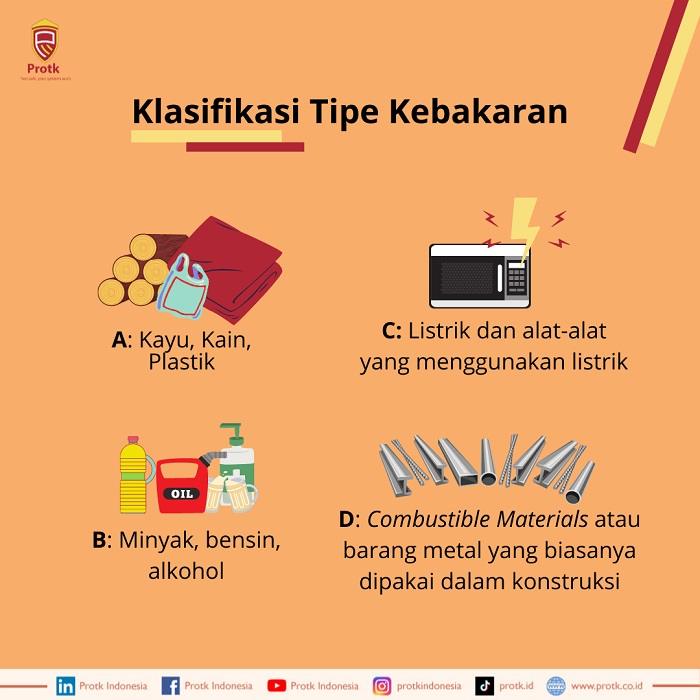
- Dry Powder (ABC) – Ideal for general solid, liquid, and gas fires.
- CO₂ (Carbon Dioxide) – Best for electrical fires (computers, servers, circuits).
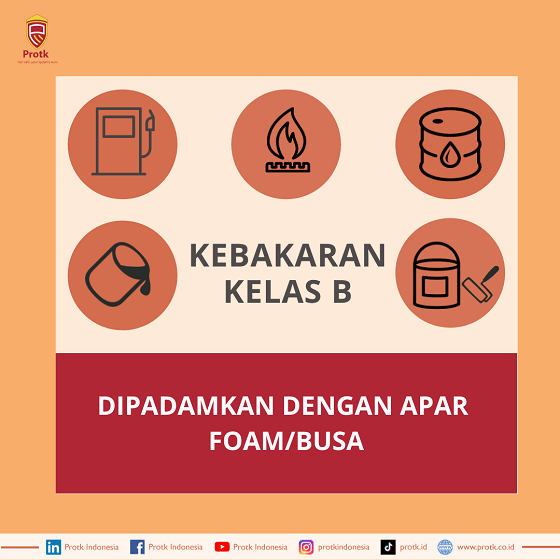
- Foam (AFFF) – Effective for flammable liquid fires (oil, gasoline).
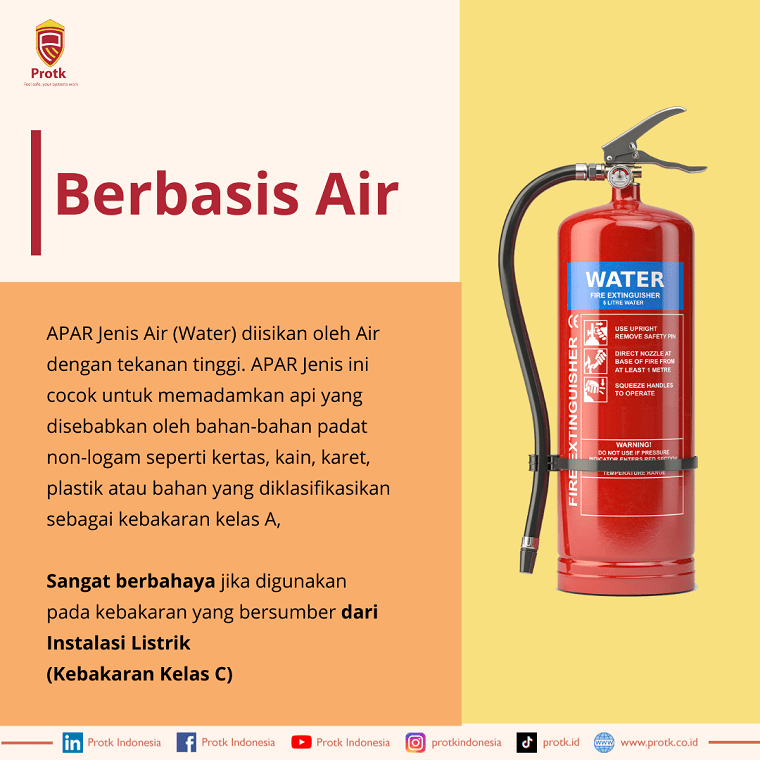
- Water – Suitable for paper, wood, and fabric fires.
- Wet Chemical – Specially designed for kitchen grease fires.
Example: A factory using flammable chemicals must have foam or CO₂ extinguishers to prevent dangerous chemical fires.
[/vc_column_text][/vc_column][/vc_row]
Protect your building, employees, and assets with high-quality fire extinguishers designed for fast and effective fire suppression. A properly installed and maintained fire extinguisher can prevent small fires from turning into major disasters.
Why Your Building Needs Fire Extinguishers?
- Immediate Fire Control – Stop fires before they spread.
- Ensures Safety Compliance – Meets local fire codes and HSE regulations.
- Protects Lives & Property – Reduces fire damage and risk of injury.
- Suitable for All Fire Types – Available in Dry Powder, CO₂, Foam, Water, and Wet Chemical options.
Fire extinguishers are a critical first line of defense against fires in any building. Here’s why they are essential for fire control, safety compliance, and property protection:
Immediate Fire Control – Stop Fires Before They Spread
A fire can grow rapidly if not controlled within the first few minutes. Fire extinguishers allow quick action, preventing small flames from escalating into life-threatening, destructive fires.
- Fast Response – Instantly available for immediate use.
- Minimizes Fire Damage – Controls the fire before it spreads to other areas.
- Saves Lives & Assets – Reduces risk to people and valuable property.
Example: A small kitchen grease fire can be quickly extinguished with a wet chemical fire extinguisher before it engulfs the entire cooking area.
Ensures Safety Compliance – Meets Fire Codes & HSE Regulations
Government and industry regulations require businesses to have proper fire extinguishers in place to protect people and property.
- Meets Local Fire Safety Standards – Compliance with HSE, NFPA, OSHA, and local fire codes.
- Avoids Penalties & Legal Issues – Ensures workplace safety and avoids fines.
Required in All Commercial & Public Buildings – Hotels, offices, factories, restaurants, and more.
Example: A restaurant must have Class K fire extinguishers in their kitchen to comply with fire safety laws.
Protects Lives & Property – Reduces Fire Damage & Injury Risks
Fires can cause severe injuries, fatalities, and financial losses. Having the right extinguisher available can prevent disasters and save lives.
- Reduces Fire Damage – Prevents costly destruction of buildings, machinery, and inventory.
- Protects Employees & Customers – Ensures safety in workplaces and public areas.
- Prepares You for Emergencies – Increases workplace and household readiness.
Example: An office employee using a CO₂ fire extinguisher on an electrical fire prevents electrical equipment damage and potential injuriesSuitable for All Fire Types – Choose the Right Extinguisher
Different fires require different types of extinguishers to ensure effective suppression.
- Dry Powder (ABC) – Ideal for general solid, liquid, and gas fires.
- CO₂ (Carbon Dioxide) – Best for electrical fires (computers, servers, circuits).
- Foam (AFFF) – Effective for flammable liquid fires (oil, gasoline).
- Water – Suitable for paper, wood, and fabric fires.
- Wet Chemical – Specially designed for kitchen grease fires.
Example: A factory using flammable chemicals must have foam or CO₂ extinguishers to prevent dangerous chemical fires.